
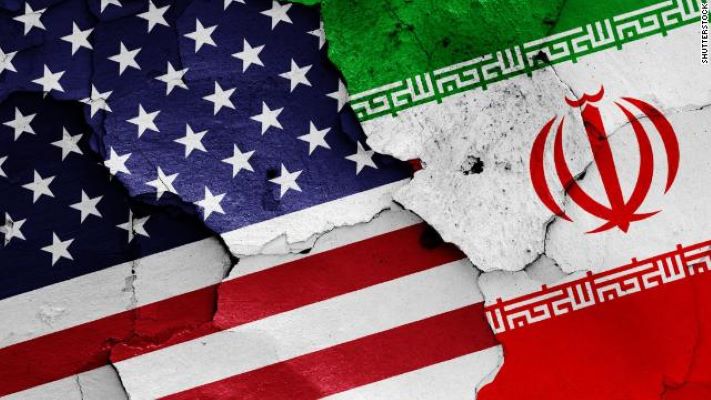
The US Iran talks Islamabad effort has entered a critical phase as American negotiators prepare to visit Pakistan for renewed diplomacy. However, Iran has made it clear that it will not engage in direct discussions with US officials at this time.
Senior representatives linked to Donald Trump, including Steve Witkoff and Jared Kushner, are expected to arrive in Islamabad to push forward negotiations aimed at easing tensions.
Despite the visit, Iranian Foreign Minister Abbas Araqchi has stated that Tehran will avoid face-to-face meetings. Instead, Iran plans to deliver its position through diplomatic channels using Pakistan as a mediator.
The US Iran talks Islamabad process is unfolding during a period of heightened conflict that has disrupted global markets. A key flashpoint remains the Strait of Hormuz, where shipping activity has dropped significantly.
Oil prices have surged in response to the uncertainty, raising concerns about inflation and economic instability. Reduced tanker movement through the region has added pressure to global energy supplies.
Washington has emphasized that diplomacy remains possible, urging Iran to reconsider its stance, particularly on its nuclear ambitions. Officials believe there is still an opportunity for progress if both sides show flexibility.
Meanwhile, regional tensions continue despite temporary ceasefires. The US Iran talks Islamabad initiative reflects ongoing efforts to stabilize the situation, though a breakthrough remains uncertain.