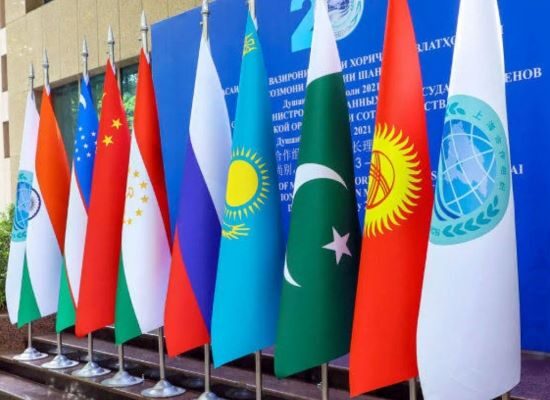

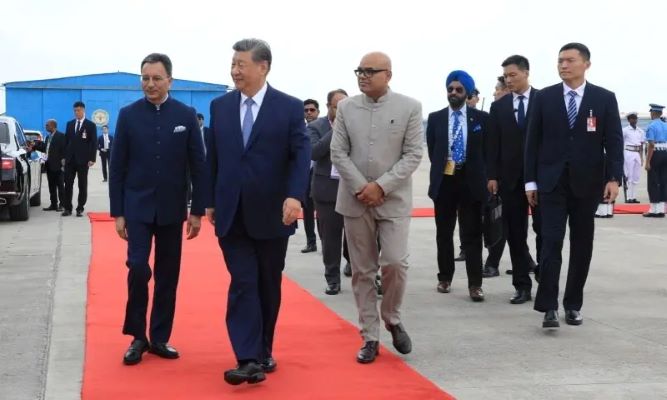
Chinese President Xi Jinping arrived in New Delhi on Saturday for the Xi Jinping BRICS summit, joining leaders from India, Russia and Iran for a meeting shaped by wars, trade tensions and energy concerns. The two-day gathering brings together leaders and representatives from the expanded 11-member grouping.
The conflicts in the Middle East and Ukraine are expected to dominate discussions alongside global trade uncertainty and energy security. The summit comes as member states hold different positions on major international conflicts, making agreement on common issues more difficult.
Xi’s visit is also significant for China-India relations. It is his first trip to India since 2019 and marks the latest step in a cautious improvement in ties between the two nuclear-armed neighbours. He received a ceremonial welcome after arriving in New Delhi.
Relations between Beijing and New Delhi have faced serious challenges since a deadly military clash along their disputed Himalayan border in 2020. Both countries have since restored some flights, visas and high-level contacts, but the territorial dispute remains unresolved. Their forces also continue to maintain deployments along the roughly 3,500-kilometre border.
Xi is expected to hold face-to-face talks with Indian Prime Minister Narendra Modi during his visit. Analysts say both sides are seeking progress on their border dispute while also trying to strengthen economic and people-to-people ties. However, strategic mistrust, the territorial issue and India’s growing trade deficit with China continue to affect relations.
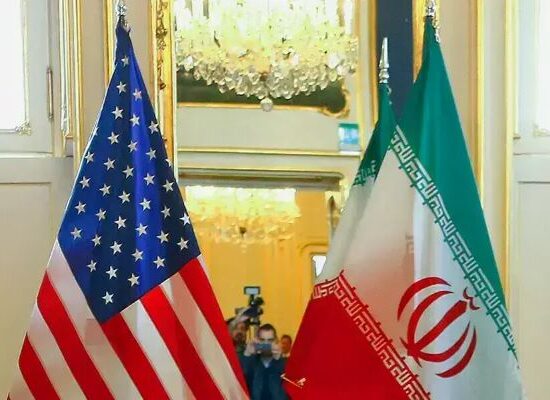
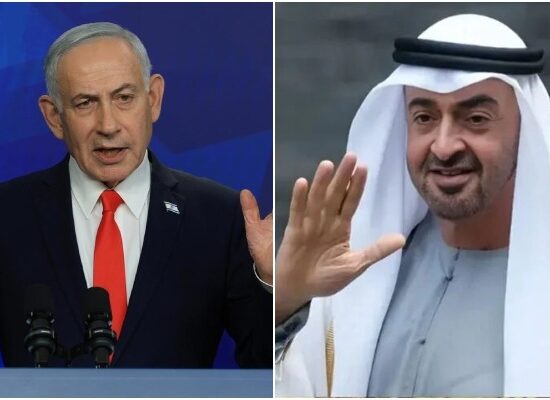
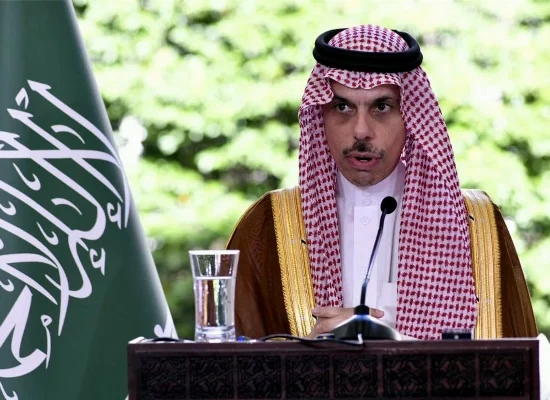
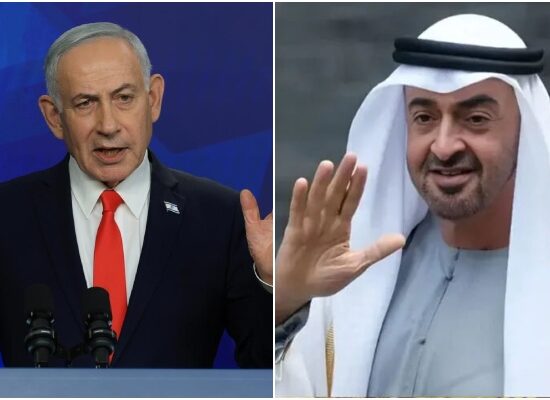
The Xi Jinping BRICS summit also brings together countries with different interests in the Middle East conflict. Iran is a BRICS member, while Saudi Arabia and the United Arab Emirates are also part of the grouping. India maintains relations with Iran, Israel and the United States, while continuing its strategic partnership with Russia.
The divisions within BRICS could make a unified response to global conflicts difficult. Foreign ministers failed to reach agreement on a joint statement at their May meeting in New Delhi. Analysts now view the Middle East conflict as a major dividing issue that could test the expanded grouping’s ability to build consensus.