
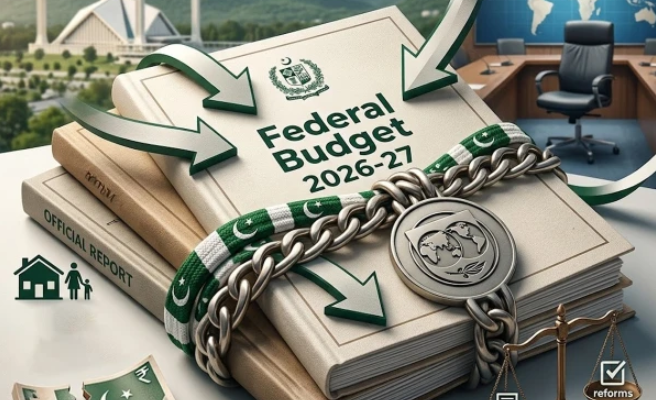
The Government of Pakistan has decided to gradually eliminate a large number of non-essential trade restrictions and barriers as part of its economic reform agenda for the Federal Budget 2026-27. The move is aimed at improving the business environment, reducing costs for businesses, and promoting exports and foreign investment.
According to sources, the government has made a policy decision to phase out outdated trade barriers over the coming years. As part of the upcoming budget, between 60 and 70 unnecessary restrictions are expected to be removed, while more than 2,600 barriers affecting imports and exports will be gradually reduced.
Officials from the Ministry of Finance stated that, following recommendations from the International Monetary Fund, the government is considering reducing the average tariff rate from 10.7 percent to 9.5 percent in the next fiscal year. Pakistan has also set a target of bringing the average tariff down to 7.4 percent by 2030.
The reform plan includes a gradual reduction of regulatory duties on automobiles, with rates expected to fall from 40 percent to zero over the next four years. The government also intends to remove barriers affecting key sectors such as textiles, pharmaceuticals, leather, chemicals, and other export-oriented industries.
Business-friendly measures are expected to be a central feature of Budget 2026-27. Policymakers are considering additional steps to reduce non-tax obstacles that increase the cost of doing business and slow economic activity. Proposals to gradually lower import duties are also under review.
Officials further revealed that amendments to export and import policy orders are expected by November 2026. These changes will support the phased removal of non-tariff barriers across various sectors and align trade regulations with Pakistan’s long-term economic strategy.
According to the Ministry of Finance, lowering average tariff rates is expected to reduce import costs, improve industrial competitiveness, and encourage investment. Authorities believe the reforms will help increase exports, attract new business opportunities, and support sustainable economic growth in the years ahead.