
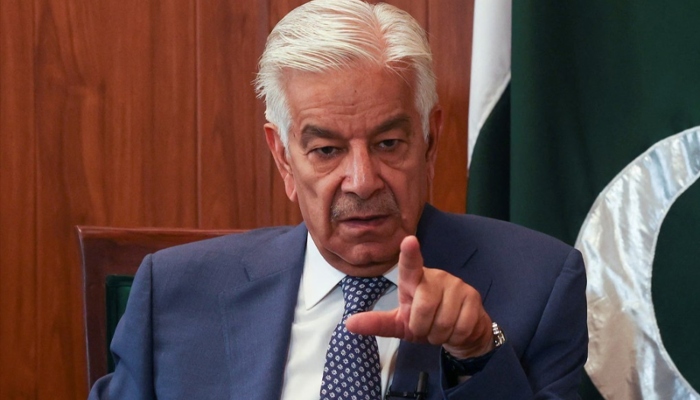
Defence Minister Khawaja Asif said on Tuesday that the Pakistan Economy has moved beyond its most critical phase, comparing its recovery to a patient leaving the intensive care unit. Speaking during a National Assembly session on the federal budget for 2026-27, he expressed confidence that the country was on a path toward sustained economic growth.
According to Asif, Pakistan faced a severe financial crisis when the current government presented its first budget. He said the country was at risk of default and had to rely on assistance from the International Monetary Fund (IMF), which came with strict economic conditions. Despite those challenges, he maintained that the economy had regained stability.
The minister stated that while Pakistan was not yet achieving ideal growth levels, current indicators pointed in a positive direction. He predicted that if reforms continued, the Pakistan Economy could reach an annual growth rate of six to seven per cent within the next one to two years.
Asif also stressed the need for tax reforms, arguing that excessive taxation often encourages people to avoid the formal tax system. He called for a balanced tax structure that would motivate citizens and businesses to contribute voluntarily while helping the state strengthen its revenue base.
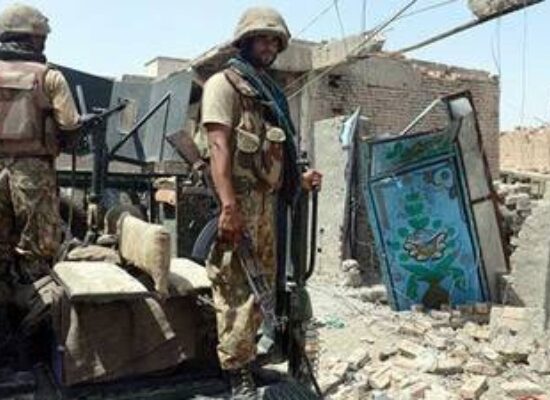
Turning to security matters, the defence minister discussed the long-standing challenges in Balochistan. He said the province’s security situation was the result of decades of unresolved issues and required a collective national response. He urged all political stakeholders to work together to improve conditions and ensure safer infrastructure across the region.
Highlighting foreign policy developments, Asif praised Pakistan’s role in facilitating recent diplomatic engagement between the United States and Iran. He credited the country’s civilian and military leadership for helping advance dialogue and said the achievement had enhanced Pakistan’s international standing. He added that improved regional relations could create new opportunities for the Pakistan Economy.
During the same parliamentary session, Health Minister Mustafa Kamal criticised the current National Finance Commission (NFC) award formula, arguing that excessive reliance on population size disadvantages smaller provinces. He called for reforms that reward population control and equitable development, saying long-term economic stability depends on better resource distribution and sustainable planning.