
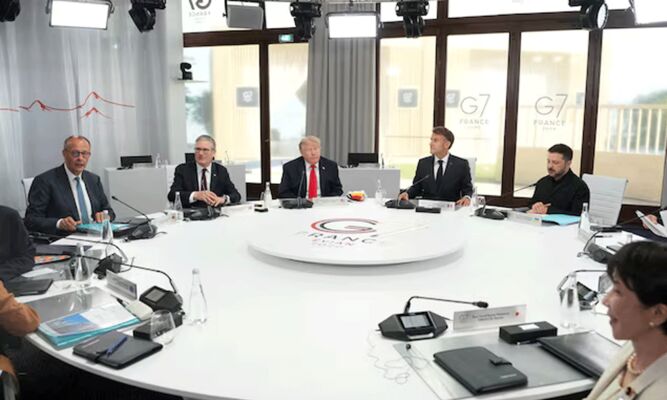
The latest G7 Economic Challenges took center stage as leaders of the world’s leading economies gathered in France amid concerns over rising inflation, higher energy costs and slowing global growth. Although a recent US-Iran agreement has eased immediate tensions, the economic consequences of the conflict remain significant.
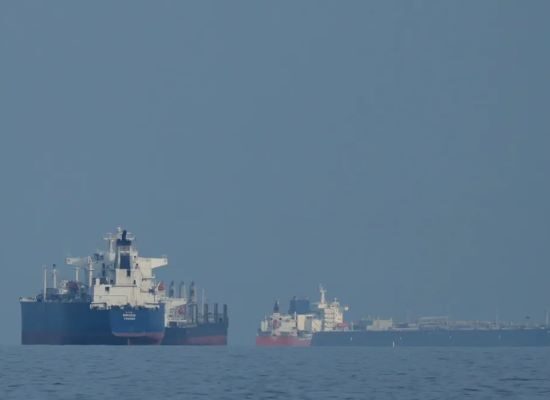
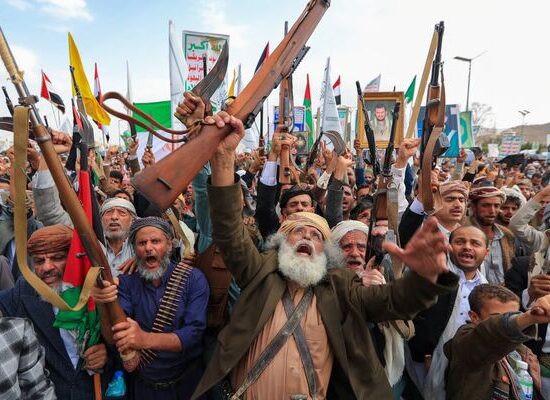
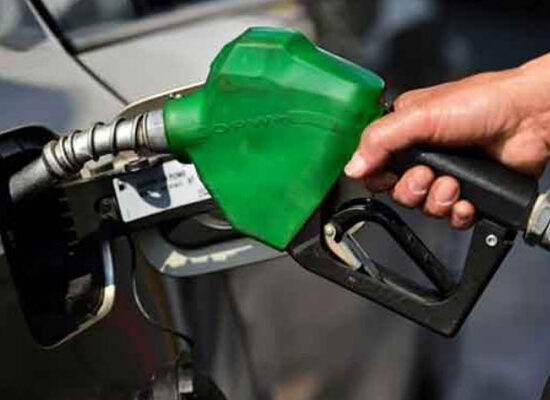
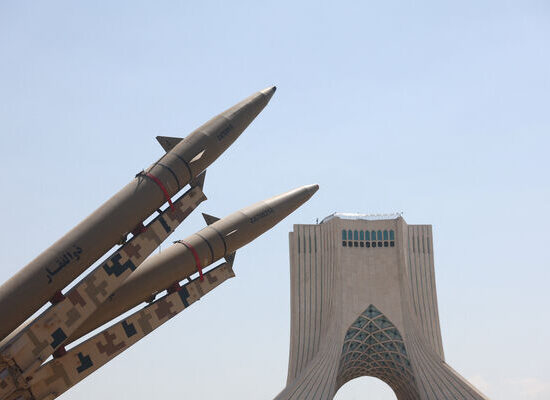
The war between the United States, Israel and Iran earlier this year triggered a sharp increase in oil prices, with global energy costs rising by nearly 30 percent. The surge has added fresh inflationary pressure across major economies and complicated efforts to maintain stable economic growth.
Central banks have already responded to the inflation threat. The European Central Bank and the Bank of Japan recently tightened monetary policy by raising interest rates. Policymakers are attempting to prevent higher energy prices from becoming a broader inflation problem affecting businesses and consumers.
Several European leaders have openly expressed concern about the economic impact of the conflict. Rising fuel and living costs have increased pressure on governments, while public dissatisfaction over inflation has affected political support in several countries.
Despite these concerns, G7 leaders have largely avoided direct criticism of US President Donald Trump during the summit. Analysts suggest that member countries are seeking cooperation with Washington on issues including trade, NATO security and the ongoing situation in Ukraine, making confrontation less likely.
The recent US-Iran understanding to reopen the Strait of Hormuz has improved market sentiment and reduced fears of prolonged supply disruptions. Economists believe the agreement could help stabilize energy markets, although they caution that any breakdown in negotiations could quickly reverse those gains.
Questions about the relevance of the G7 have also resurfaced as emerging economies continue to expand their influence in the global economy. Nevertheless, experts argue that the group remains an important forum for coordinating responses to international economic crises and maintaining stability during periods of uncertainty.