

Iranian Oil Exports appear to be gradually recovering after several oil tankers successfully passed through the Strait of Hormuz following a framework agreement between the United States and Iran. Shipping data indicates that the development could mark an important step toward restoring energy flows from the region.
According to vessel-tracking information, at least three tankers carrying Iranian crude oil sailed through the area this week. The movement comes after both countries agreed on a framework designed to ease tensions and reopen one of the world’s most important energy transit routes.
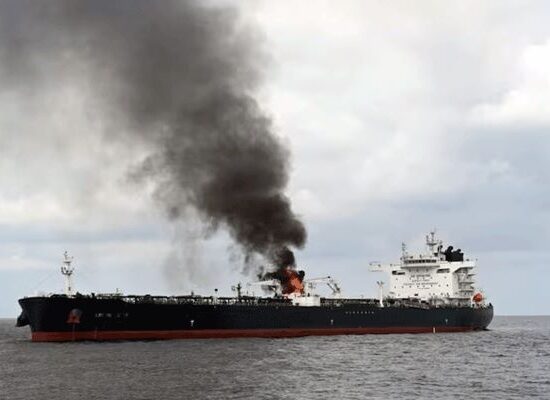
Two Very Large Crude Carriers, Hero II and Diona, each carrying approximately two million barrels of crude oil, have moved through the Gulf of Oman and are now heading toward Asian markets. Another tanker, Sonia I, carrying around one million barrels, is reportedly on its way to Singapore.
Shipping databases also show that the Iranian-linked tanker Stream, currently empty, is approaching the route and may soon join the growing number of vessels resuming operations. The activity signals increasing confidence among shipping operators following the recent diplomatic breakthrough.
The reopening of export routes is significant for Iran’s energy sector. Earlier restrictions and disruptions had sharply reduced the country’s crude exports. Industry data showed exports fell to their lowest level in several years during May, placing considerable pressure on the country’s oil revenues.
Under the latest memorandum of understanding, Washington is expected to permit Iran to immediately resume broader oil and fuel sales. Analysts believe the agreement could gradually increase Middle Eastern oil supplies and improve stability in global energy markets if implementation proceeds smoothly.
Market participants are closely monitoring developments as additional Iranian barrels enter international markets. Expectations of increased supply have already contributed to lower global oil prices, which had surged following months of regional conflict and uncertainty.