
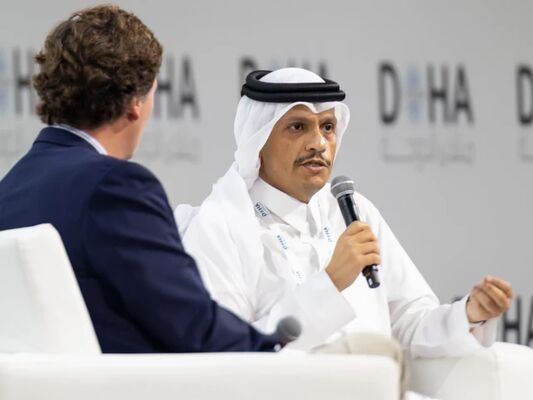
Qatar has described the proposed Iran reconstruction fund worth $300 billion as an aspirational initiative rather than a finalized financial commitment. Qatari Prime Minister and Foreign Minister Sheikh Mohammed bin Abdulrahman Al Thani made the remarks during an interview published on Wednesday, highlighting that the plan remains dependent on future diplomatic developments between Iran and the United States.
Speaking about the proposal, Sheikh Mohammed said the $300 billion figure represents a long-term vision rather than a confirmed funding arrangement. The comments come amid ongoing discussions over regional stability and efforts to improve relations between Tehran and Washington following recent diplomatic engagements.
According to reports, the US administration has proposed that Gulf countries could contribute to the Iran reconstruction fund if a comprehensive settlement is reached with Iran. The initiative would initially create opportunities for international companies to invest in Iran’s economy and support development projects.
The Qatari premier did not specify whether Doha would directly contribute financially to the proposed fund. However, he emphasized that Qatar supports economic growth and prosperity in the region and has historically made investment decisions based on commercial considerations rather than political objectives.
The proposal is linked to Article 6 of the Islamabad Memorandum of Understanding between the United States and Iran. The provision outlines plans for a major economic development program designed to support Iran’s reconstruction and broader economic modernization following a potential long-term agreement.
Under the memorandum, regional partners and the United States would work together to establish a program valued at no less than $300 billion. The framework also states that detailed implementation mechanisms would be finalized within 60 days of reaching a final settlement between the parties.
The future of the Iran reconstruction fund remains tied to diplomatic progress between Tehran and Washington. While the proposal has attracted significant attention, officials stress that it remains a concept under discussion, with financing commitments and participation from Gulf states yet to be formally determined.