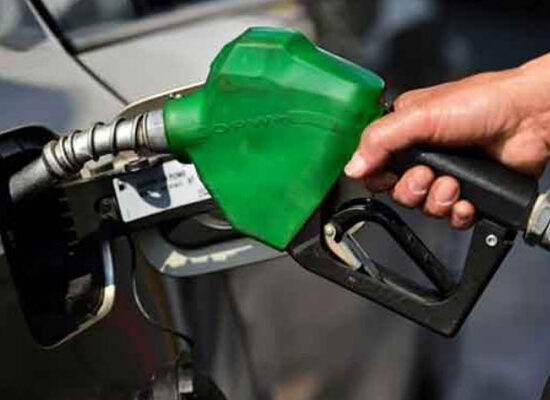

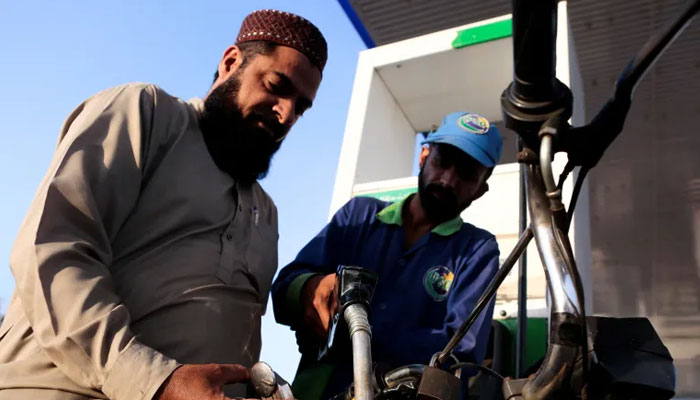
A Pakistan petrol price dispute has intensified after oil marketing companies (OMCs) and refineries challenged the government’s recent reduction in petroleum prices. Industry representatives claim that the latest pricing decision was based on inaccurate calculations, creating significant financial concerns for the petroleum sector.
According to the oil industry, the disagreement centers on the pricing formula used by the Oil and Gas Regulatory Authority (OGRA). Stakeholders allege that the regulator incorrectly calculated international premiums and average Platts benchmark prices while determining the latest fuel rates.
Industry officials claim the alleged errors resulted in an excessive reduction of nearly Rs45 per litre in the price of high-speed diesel and around Rs11 per litre in the price of petrol. They argue that these figures do not accurately reflect actual import costs and prevailing international market conditions.
Oil marketing companies and refineries maintain that the actual premiums paid for petroleum imports were not fully incorporated during the latest fortnightly price review. They believe the omission has significantly affected the industry’s financial position.
The Pakistan petrol price dispute has highlighted differences between the government’s pricing approach and the industry’s interpretation of international fuel benchmarks. Stakeholders are seeking a review of the methodology used in calculating domestic petroleum prices.
Officials from the petroleum sector believe greater transparency in the pricing mechanism would help reduce future disagreements. They have urged authorities to ensure that international price benchmarks and import-related costs are accurately reflected in fuel pricing decisions.
The Pakistan petrol price dispute continues as discussions between the government, OGRA, and industry representatives remain ongoing. The outcome of these talks could influence future petroleum pricing policies and the relationship between regulators and the oil industry.