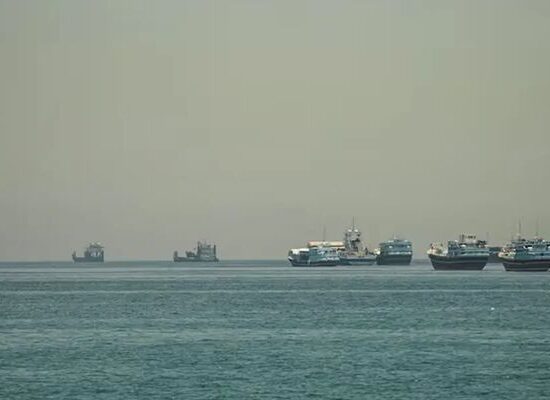


Oil prices fall continued on Friday as global crude markets reacted to improving oil shipments through the Strait of Hormuz, easing supply concerns despite a cargo vessel being struck near Oman a day earlier. Investors focused on the recovery in oil flows, sending benchmark crude prices lower.
Brent crude futures declined nearly 2% to around $73.76 per barrel, while US West Texas Intermediate (WTI) dropped about 2% to $70.43 per barrel. Both global benchmarks are on track to record weekly losses of roughly 8% following reduced fears of prolonged supply disruptions.
A key factor behind the decline was the resumption of oil loading operations at Saudi Aramco’s Ras Tanura terminal. Shipping data indicated that multiple Very Large Crude Carriers (VLCCs), each capable of transporting up to two million barrels of oil, resumed loading after months of limited activity.
Although a cargo ship was reportedly hit near Oman, tanker movements through the Strait of Hormuz continued to improve. Market analysts noted that the increase in outbound traffic helped restore confidence, even though overall vessel activity remains below pre-conflict levels.
Analysts said much of the recent rise in shipping reflects previously stranded tankers leaving the Gulf rather than a full recovery in new inbound traffic. They cautioned that shipping volumes could stabilize once the backlog of delayed vessels is cleared.
Meanwhile, concerns over Venezuela’s oil production also remained in focus after recent earthquakes affected parts of the country. Initial assessments suggested limited damage to oil infrastructure, but electricity disruptions raised questions about maintaining current production levels.
The latest oil prices fall highlights how markets continue balancing improving Middle East supply conditions against ongoing geopolitical risks. Investors remain closely focused on developments in the Strait of Hormuz, global shipping activity, and crude production trends in major oil-producing countries.