
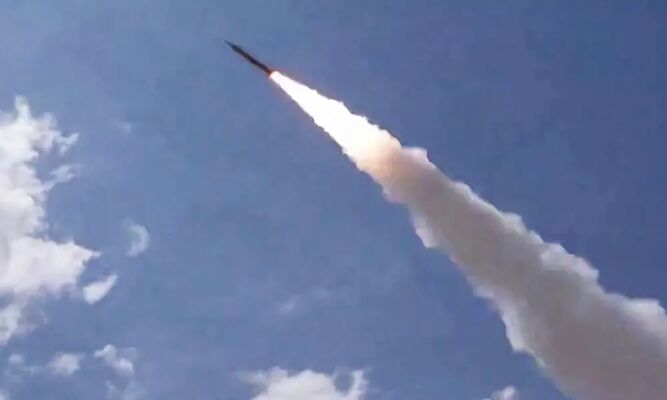
The Iranian attacks on Bahrain and Kuwait have intensified regional tensions as both Gulf states reported intercepting strikes amid the continuing military escalation between the United States and Iran. Authorities in Bahrain and Kuwait said their defence systems responded to multiple threats on Monday, highlighting growing security concerns across the Gulf.
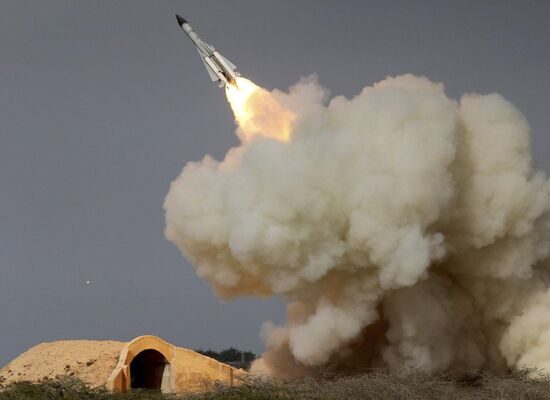
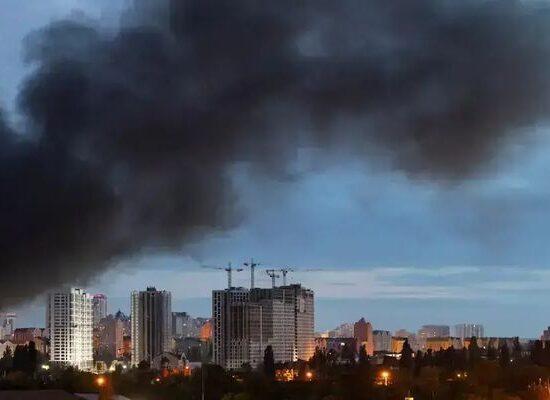
According to Bahraini officials, the country’s air defence systems intercepted and destroyed several Iranian aerial attacks. Bahrain, which hosts the US Fifth Fleet, also accused Iran of targeting civilian areas during the latest escalation. Residents in the capital, Manama, reported hearing explosions as emergency sirens sounded across parts of the city.
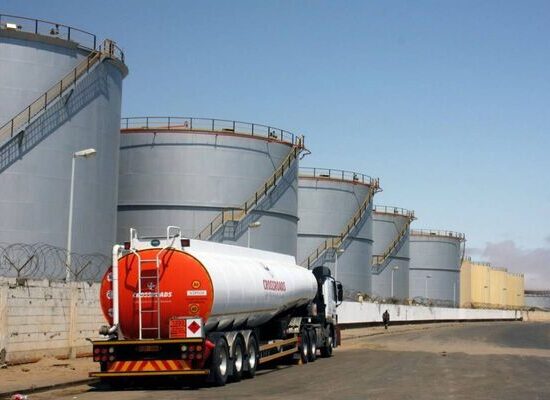
Kuwait’s military described the latest incident as a “heinous Iranian aggression.” Officials said Iranian attacks targeted critical infrastructure, including water and electricity plants as well as oil facilities. Earlier in the day, Iran’s Revolutionary Guards claimed responsibility for striking US military targets located in Kuwait.
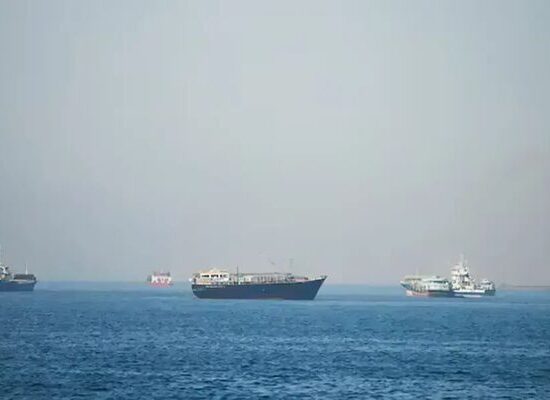
The latest developments come as the fragile ceasefire between Washington and Tehran has effectively collapsed. Iran has reportedly targeted vessels using an Omani shipping route through the Strait of Hormuz, prompting the United States to launch fresh military operations against Iranian positions.
The US Embassy in Bahrain issued a security alert, warning that Iran could target unspecified locations in central Manama. The embassy advised American citizens to remain vigilant, follow local authorities’ instructions, and monitor official security updates as the situation evolves.
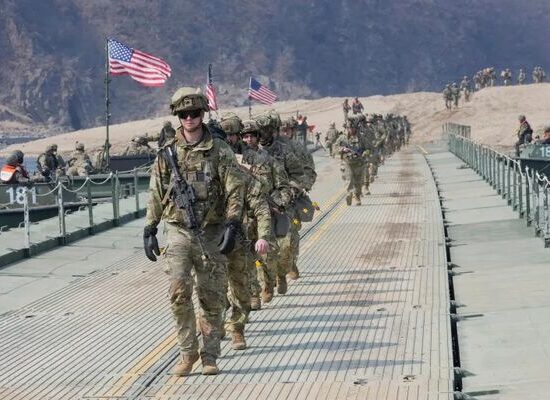
Bahrain and Kuwait have become key locations in the ongoing conflict because both countries host US military facilities. Since hostilities resumed earlier this month, they have faced repeated security threats linked to the confrontation between Iran and the United States.
The Iranian attacks on Bahrain and Kuwait underscore the widening regional impact of the conflict. With military exchanges continuing and diplomatic efforts under strain, Gulf states remain on high alert while international observers closely monitor developments that could affect regional stability and global energy markets.