
US crude oil reserves have fallen to their lowest level in more than four decades, raising fresh concerns about the country’s energy security and the potential impact on global oil markets. The decline comes amid heightened regional tensions and continued pressure on energy supplies.
According to a recent chart published by Bank of America, the United States now has enough crude oil to cover approximately 43 days of supply. This is the lowest level recorded since July 1983, highlighting the significant decline in available reserves over the past several decades.
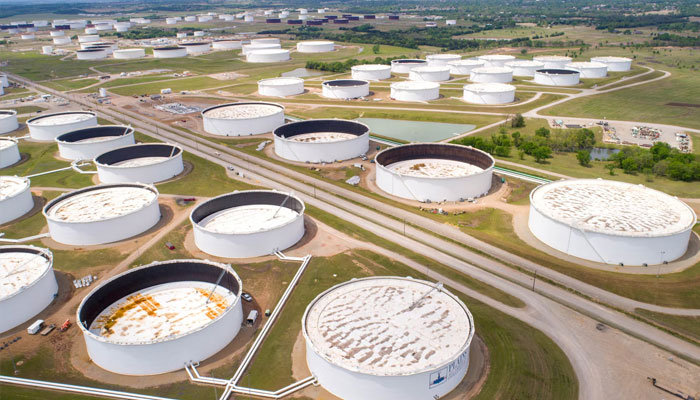
Data released by the US Energy Information Administration (EIA) shows that commercial crude oil inventories stood at approximately 409.7 million barrels as of July 10, around 6% below the five-year average. The figures indicate that commercial stockpiles remain under sustained pressure.
Meanwhile, the Strategic Petroleum Reserve (SPR) also continues to shrink. As of July 18, the reserve had declined to 316.5 million barrels, marking its lowest level since April 1983.
Combined commercial and strategic oil inventories now total around 730.8 million barrels, placing overall US crude oil reserves among their lowest levels in more than 40 years. Analysts say the decline reflects ongoing challenges in maintaining adequate energy reserves during a period of geopolitical uncertainty.
Energy experts note that if regional tensions persist or global oil supplies face further disruptions, crude oil prices could come under additional upward pressure. Higher energy costs may also affect inflation and economic growth, making inventory levels an important indicator for policymakers and global markets.
While the latest figures have renewed discussions about US energy security, future inventory levels will depend on domestic production, global demand, market conditions, and developments affecting international oil supply.