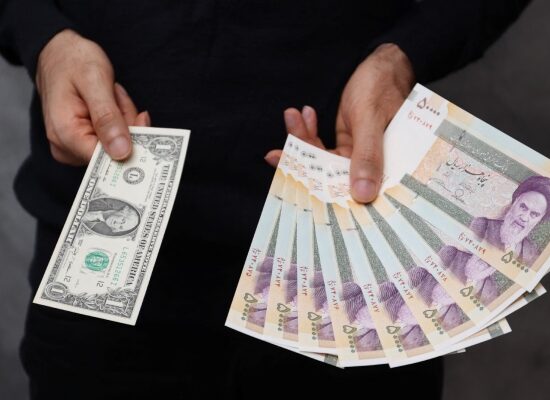

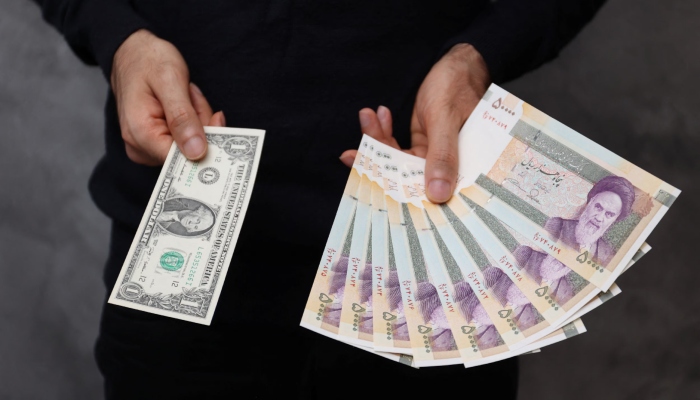
Iran’s currency has fallen to an unprecedented low against the US dollar, adding to growing economic pressure on households already struggling with rapidly rising living costs.
The Iranian rial recently crossed the 2 million-rial mark against one US dollar on the open market. The sharp decline came as Washington introduced tougher sanctions aimed at increasing financial and economic pressure on Tehran. Recent reports say the currency has continued to weaken amid sanctions, conflict-related disruption and concerns over Iran’s access to foreign currency.
The currency crisis has had a direct impact on the purchasing power of ordinary people. The same amount of money that once covered several basic grocery items now buys considerably less. This has made everyday shopping increasingly difficult for Iranian families.
According to a recent comparison of prices in Tehran, 2 million Iranian rials before the war could buy around four kilograms of tomatoes, half a kilogram of chicken and slightly less than one litre of cooking oil. Today, that amount purchases roughly half those quantities.
Food inflation has been particularly severe. Average tomato prices have increased by 71 percent, while chicken has become 74 percent more expensive. Cooking oil has recorded an even sharper rise, with prices increasing by 177 percent, according to the reported comparison.
The pressure extends beyond food. Prices of essential medicines have also surged, making healthcare more difficult for many households. The rising cost of necessities is reducing families’ ability to maintain their previous diets and standard of living.