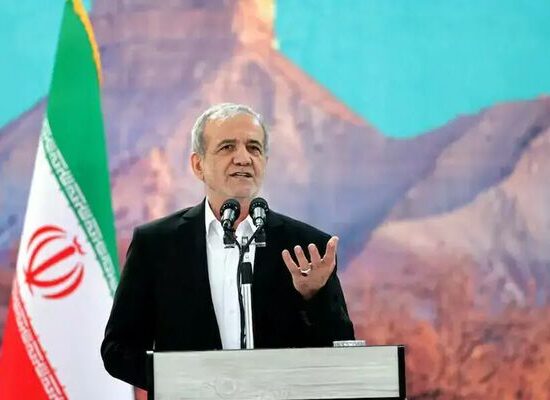

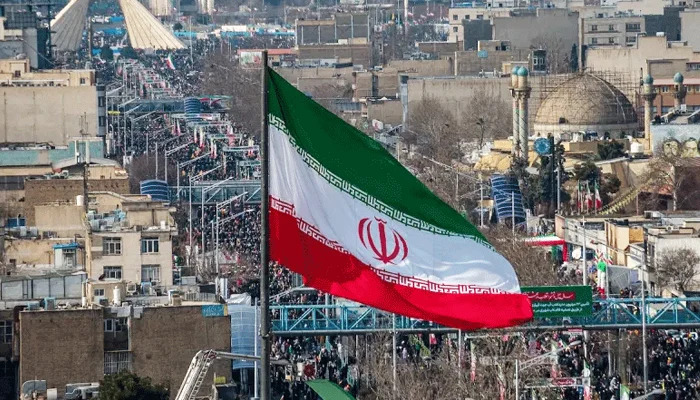
Iran U.S. temporary truce talks have faced a major setback as Tehran has officially rejected any temporary ceasefire with the United States. The announcement was made by senior Iranian sources, according to a British news agency report.
Iranian officials stated that any dialogue with the U.S. would require preconditions to be met. The country has outlined specific demands before engaging in any negotiations.
These preconditions include halting attacks, providing assurances against future aggression, and compensating for past damages. Tehran insists that these steps are necessary for trust-building.
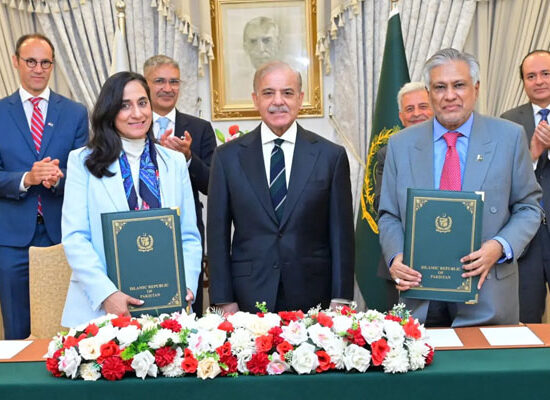
Meanwhile, Pakistan has reportedly shared a comprehensive ceasefire framework with both Iran and the U.S. This initiative aims to reduce tensions in the region and prevent further escalation.
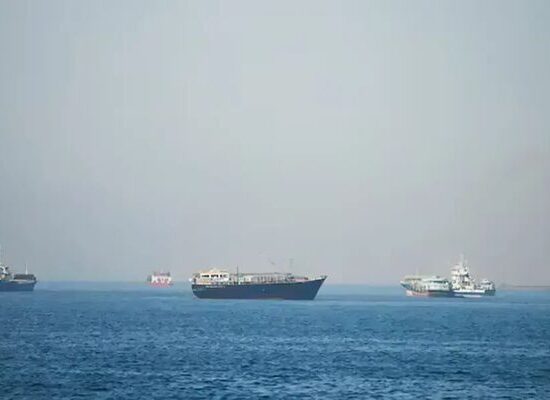
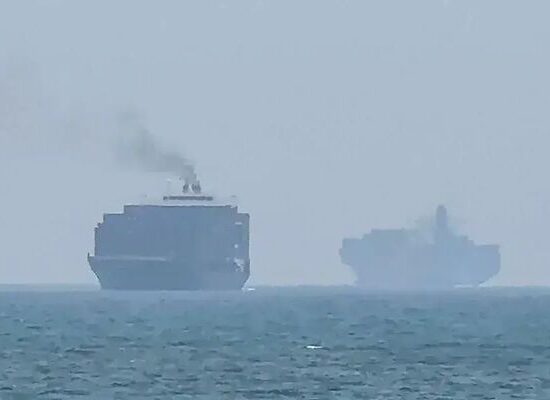
Iranian sources revealed that Tehran wants the right to impose regular fees (tolls) on ships passing through the Strait of Hormuz under any future permanent peace agreement. This would apply to all vessels transiting the vital waterway.
The tolls would vary depending on the type of ship, its cargo (oil, gas, or other goods), and prevailing conditions. The move could significantly affect global oil supply and international energy markets.
The Strait of Hormuz remains one of the world’s most strategic maritime passages. Any decision by Iran regarding fees or restrictions will have direct implications for global trade, energy prices, and geopolitical stability.