
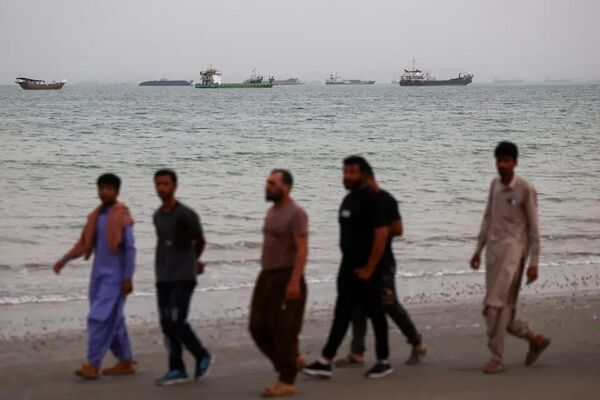
Several energy vessels carrying oil and liquefied natural gas resumed journeys through the Gulf this week as limited Strait of Hormuz shipping activity continued despite ongoing conflict in the Middle East. Shipping data showed tankers heading toward Pakistan and China after months of disruption caused by regional tensions.
The US-Israeli conflict with Iran, which began in late February, has sharply reduced commercial traffic through the Strait of Hormuz. The strategic waterway normally handles nearly one-fifth of the world’s oil and LNG supplies, making any disruption a major concern for global energy markets and international trade.
One LNG tanker, Fuwairit, crossed the strait on Monday carrying cargo from Qatar’s Ras Laffan port. According to shipping data, the Bahamas-flagged vessel is expected to deliver its shipment to Pakistan. The tanker had reportedly loaded liquefied natural gas in late March before facing delays linked to security risks in the region.
Another LNG vessel, Al Rayyan, also resumed Strait of Hormuz shipping operations after exiting the narrow waterway between Iran and Oman. The tanker is expected to reach China in late June with LNG cargo loaded from Qatar. Energy analysts say these movements signal cautious efforts to restore supply chains despite instability.
A separate supertanker carrying Iraqi crude oil to China also departed the Gulf after being stranded for nearly three months. The vessel, Eagle Verona, loaded almost two million barrels of Basrah crude and is expected to arrive at Ningbo port in eastern China next month. Several other crude carriers have recently completed similar routes.
Before the conflict, daily traffic through the Strait of Hormuz averaged between 125 and 140 vessel movements. However, the war significantly reduced maritime activity, leaving thousands of seafarers stranded on ships waiting for permission or safe passage through the Gulf waters.
The gradual return of Strait of Hormuz shipping is being closely monitored by governments, energy companies, and traders worldwide. Any further escalation in regional tensions could again affect oil prices, LNG supplies, and global shipping routes linked to the Middle East energy corridor.