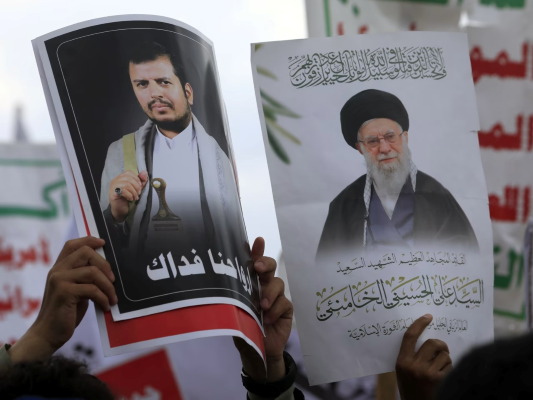

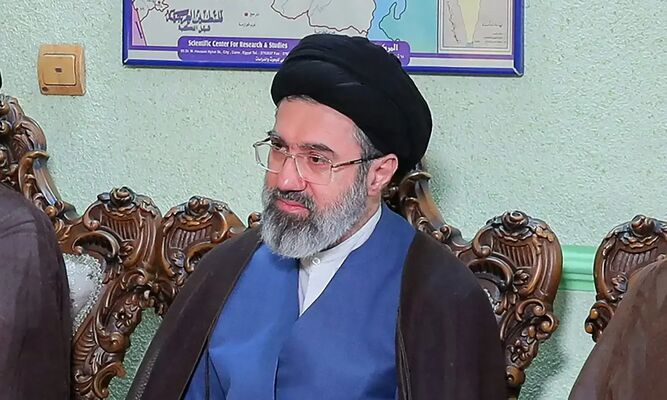
The Iran Supreme Leader Mojtaba Khamenei warned on Tuesday that countries in the Middle East would “no longer serve as shields for US bases” as tensions between Tehran and Washington continue despite ongoing diplomatic efforts. His remarks came in a Haj message shared through Iranian media outlets and social platforms.
Mojtaba Khamenei made the comments hours after fresh US strikes reportedly targeted locations inside Iran. Although both sides are engaged in indirect negotiations aimed at stabilising a fragile ceasefire, regional tensions remain high following months of military confrontation and political uncertainty.
In his statement, the Iran Supreme Leader said the United States was gradually losing influence in the region. He claimed Washington would no longer find secure conditions for maintaining military bases or expanding its strategic presence across the Middle East. He also predicted that regional nations would shape a new political order independent of US control.
The Iranian leader further highlighted what Tehran calls the “Axis of Resistance,” referring to allied groups operating across the Middle East. According to Iranian state media, he described the network as a united movement stretching from Iran and Iraq to Lebanon, Yemen, Afghanistan, and Pakistan.
عقربهی زمان به عقب برنمیگردد و ملّتها و سرزمینهای منطقه، دیگر سپر پایگاههای امریکایی نخواهند بود. امریکا دیگر نقطهی امنی برای شرارت و استقرار پایگاه نظامی در منطقه نخواهد داشت.
— رسانه رهبر انقلاب اسلامی (@Rahbarenghelab_) May 26, 2026
Khamenei also strongly criticised Israel, calling it an unstable regime facing growing internal and external pressure. Iranian media reported that he praised Iran’s armed forces and allied groups for what he described as successful resistance against the United States and Israel during the recent conflict.
The conflict between Tehran and Washington intensified earlier this year following US-Israeli military operations inside Iran. Iran later responded by targeting US-linked assets in Gulf countries and restricting movement through the Strait of Hormuz, a key global energy route used for oil and gas transportation.
Despite a Pakistan-backed ceasefire reached in April, negotiations between Iran and the United States continue over sanctions relief, maritime security, and nuclear-related issues. Analysts believe the diplomatic process remains fragile, especially after recent calls by US President Donald Trump urging more Muslim-majority countries to normalise ties with Israel under the Abraham Accords framework.