
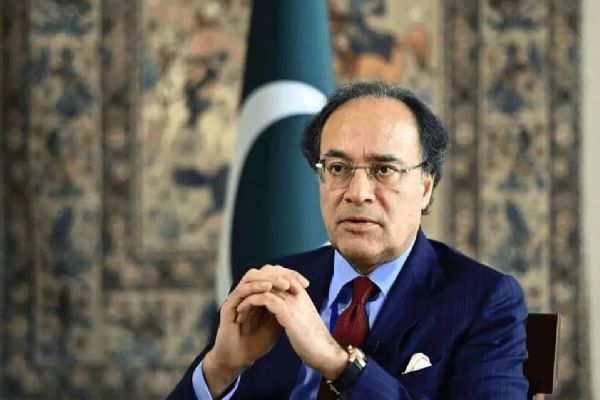
Finance Minister Muhammad Aurangzeb warned on Tuesday that Pakistan’s energy crisis may persist for months even after a truce due to damaged Gulf infrastructure. He stressed that global energy disruptions continue to impact Pakistan’s supply and prices, affecting households and businesses nationwide. The minister addressed lawmakers in parliament, highlighting the urgent need for planning and monitoring.
Aurangzeb noted that even if a ceasefire or breakthrough occurs, normalisation in the energy sector could take weeks or months. He said targeted attacks on infrastructure have prolonged the crisis and added that Pakistan must prepare for extended disruptions. The government is closely tracking fuel rates, shipping costs, and insurance expenses affecting crude imports.
To ease domestic pressure, Aurangzeb said the government has announced subsidies for two-wheelers, four-wheelers, and public transport. Payments have already started, with Rs129 billion allocated for petroleum products. The minister emphasized these measures aim to protect citizens from sudden fuel price spikes.
He highlighted that several regional countries have begun rationing fuel due to shortages. In the UAE, petrol and diesel prices rose by 30% and 70%, respectively, showing the severity of the crisis. Aurangzeb warned that these global trends could affect Pakistan if energy disruptions persist.
The minister also commented on Pakistan’s remittances, which remain stable for now. About 40-50% come from GCC countries, and the government is evaluating how prolonged regional disruptions may impact the balance of payments, current account, and inflation. Strategic planning for reserves is critical.
Aurangzeb stressed that support from the International Monetary Fund (IMF) remains crucial. He said Pakistan requires the backstop provided under the Extended Fund Facility (EFF) to maintain economic stability amid rising external and internal pressures.
Finally, the minister noted Pakistan faces upcoming debt obligations, including a $3.5 billion UAE loan repayment this month and $1.3 billion in Eurobond payments by June. He warned that careful management is needed to prevent additional economic strain during the ongoing energy crisis.