
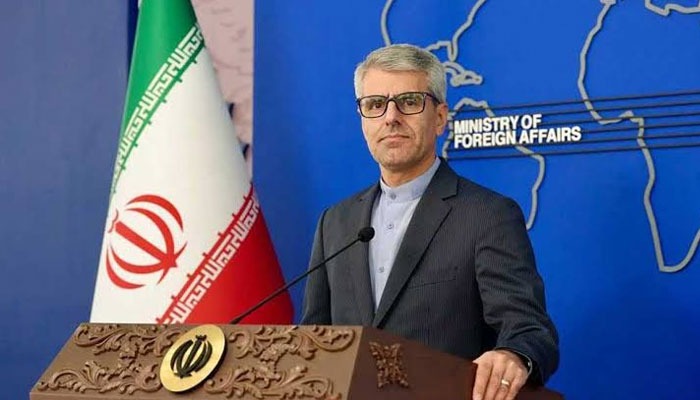
Iran has issued a warning to Saudi Arabia, Jordan and Japan over their support for a resolution against Tehran, saying the three countries will face consequences for their position. Iranian Foreign Ministry spokesman Esmail Baghaei made the remarks while speaking to state television.
Baghaei said countries should seek solutions through negotiations, particularly without the involvement of foreign powers. He also described efforts to bring countries together for discussions as an important diplomatic achievement under the current circumstances.
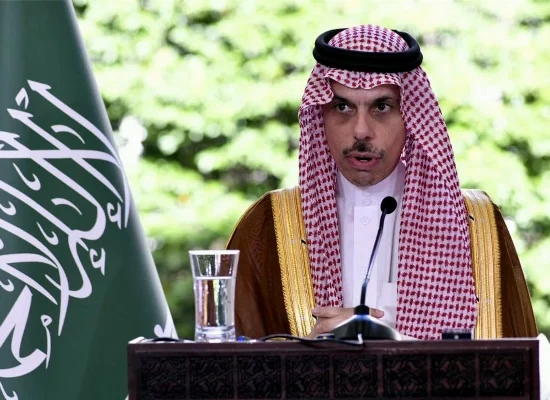
The Iranian spokesman specifically named Saudi Arabia, Jordan and Japan while discussing their support for the resolution against Iran. He said the three countries would have to face the consequences of their decision, without providing further details about what those consequences could involve.
Baghaei also described the current situation as a state of war rather than a period that could simply be defined as either peace or war. According to him, maritime restrictions and blockades are equivalent to acts of war and have influenced Iran’s approach to the ongoing situation.
He said Iran considers its actions under the circumstances to be defensive. Baghaei maintained that Tehran is responding to what it views as hostile measures, while emphasizing that Iran’s position remains focused on defending its interests.
The Iranian foreign ministry spokesman further claimed that the Strait of Hormuz remains under Iran’s complete control. He also said the international community should hold the United States responsible for rising fuel prices, linking the increase to the broader regional situation.
Baghaei’s comments reflect the growing tensions surrounding Iran and regional countries that have taken positions against Tehran. His warning to Saudi Arabia, Jordan and Japan adds another layer to the diplomatic dispute, while his remarks on maritime restrictions and the Strait of Hormuz underline the wider regional implications of the confrontation.