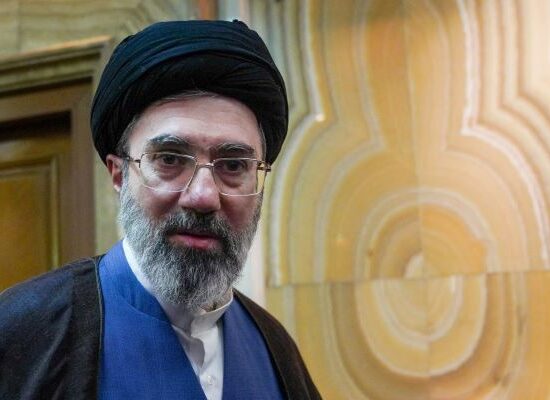

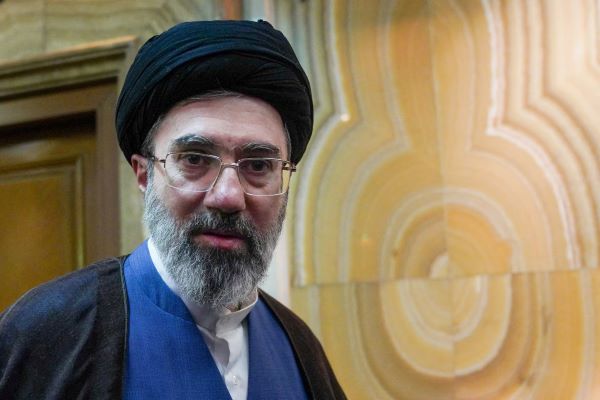
Iran’s Supreme Leader Mojtaba Khamenei has criticised those relying on major powers over the situation in Lebanon. In a statement posted on X on September 30, he said the developments had brought humiliation and disgrace to those placing their hopes in what he described as false promises from hegemonic powers.
Khamenei linked his remarks to the continuing conflict involving Lebanon and Israel. He said the situation had demonstrated the consequences of depending on outside powers. His comments came as tensions over Lebanon remain closely connected to wider regional developments.
The Iranian leader also referred to what he called the “Zionist enemy” in his statement. He said such an adversary would eventually be forgotten by history. The remarks reflect Tehran’s continued opposition to Israel and its position on the conflict in Lebanon.
Khamenei has previously made statements supporting Lebanon and Hezbollah. In July, he said any agreement to end hostilities between Iran and the United States should include an end to Israeli military operations in Lebanon. His position placed developments in Lebanon directly within Tehran’s broader regional and diplomatic demands.
The latest comments also follow a series of recent statements by Khamenei on regional security. On September 28, he said Iran’s enemies had suffered what he described as painful blows and claimed they no longer dared advance beyond the Arabian Sea.
Meanwhile, diplomatic efforts involving Iran and the United States remain focused on ending the wider conflict. Recent discussions have included conditions linked to Lebanon, the Strait of Hormuz, sanctions and Iran’s nuclear programme, according to recent reporting.
Khamenei’s latest statement therefore places Lebanon within Iran’s broader message about foreign influence and regional conflict. His comments represent Tehran’s stated position, while developments on the ground and diplomatic efforts continue to shape the situation across the Middle East.