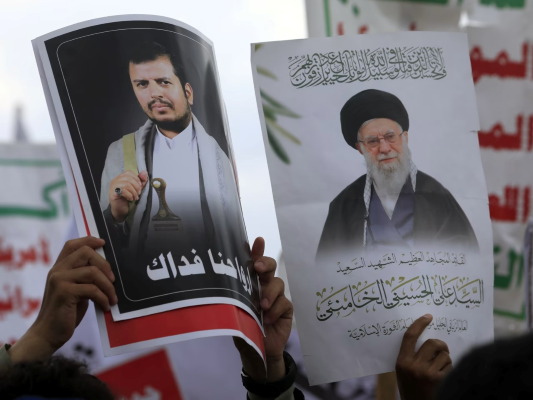

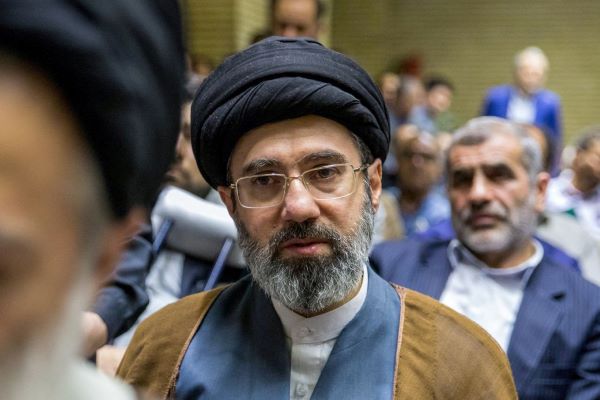
Iran’s Supreme Leader Mojtaba Khamenei has remained out of public view six months into the war, raising growing questions about his health and leadership. Iranian officials insist he remains in control despite his prolonged absence from public appearances.
Khamenei took over as supreme leader after the conflict began and reportedly suffered serious injuries during early airstrikes. Since his appointment, however, he has not appeared in a photograph, video or public audio address, leaving many Iranians uncertain about his condition.
Iranian officials and senior insiders say Mojtaba Khamenei continues to make key decisions from a secure location. They claim he receives major reports, meets senior officials and retains the final say on important national and security matters.
His public messages have so far been limited to written statements read by state broadcasters. He was also absent from funeral ceremonies held for his father last month. President Masoud Pezeshkian said earlier this month that he had a seven-hour meeting with Khamenei.
The prolonged absence has also caused concern among some supporters of Iran’s ruling system. A Basij member in Qom said seeing or hearing the supreme leader would provide greater confidence. Reform-minded Iranians have expressed even stronger doubts about whether he remains involved in decision-making.
Meanwhile, Iran’s political system has continued to function despite six months of conflict with its most powerful adversaries. The Revolutionary Guards have gained greater influence, while senior political and military officials remain involved in managing security and strategic affairs.
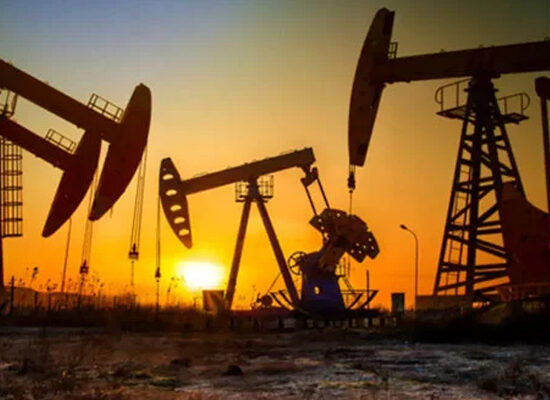
The war has nevertheless placed heavy pressure on Iran’s economy, with oil export restrictions weakening the currency and increasing fears of renewed unrest. Analysts warn that Mojtaba Khamenei’s continued absence could create uncertainty among rival factions, particularly as Tehran faces major decisions over negotiations, the conflict and relations with Washington.