
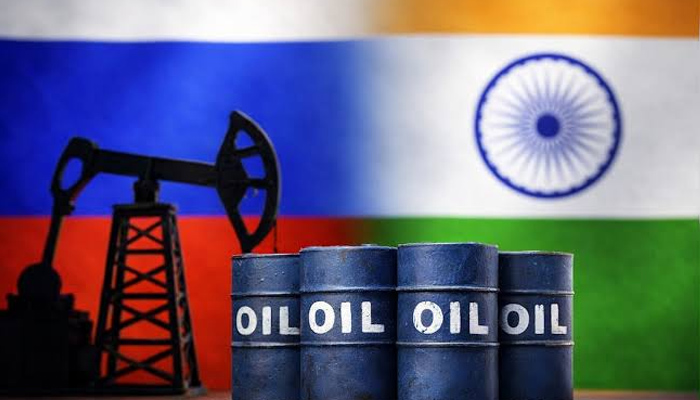
Russia has reaffirmed its commitment to continue selling oil to India despite threats of additional tariffs from the United States, with Moscow criticizing Washington’s pressure tactics against New Delhi.
Russian Ambassador to India Denis Alipov criticized the proposed US tariff measures, arguing that countries imposing sanctions and tariffs had chosen pressure instead of cooperation. He said such countries were unable to offer India a better deal than Russian oil, making their efforts to discourage energy cooperation ineffective.
Alipov also warned that preventing Russia from selling oil to international markets could create serious consequences for global energy supplies. He stressed that energy markets would not be able to comfortably absorb the disruption that could result from restrictions on Russian oil exports.
Meanwhile, Russian Foreign Minister Sergey Lavrov has suggested that Iran could eventually become part of the emerging Makkah defense alliance. His remarks indicate Moscow’s interest in broader regional cooperation and the possible expansion of the proposed security framework.
Lavrov said the participation of countries such as Egypt and Algeria in the Makkah agreement would also represent a positive development. According to him, their inclusion could serve as a practical step toward putting the concept previously proposed by Russia into action.
The latest developments come against the backdrop of repeated warnings from former US President Donald Trump over India’s continued purchases of Russian oil. Trump had previously indicated that India could face continued and potentially heavy tariffs if it did not stop buying energy supplies from Russia.
Following the pressure from Washington, Indian companies had indicated a willingness to reduce or halt purchases of Russian crude. However, Russia’s latest statements show that Moscow remains determined to preserve its energy relationship with India despite growing pressure from the United States.