
US President Donald Trump has announced the deployment of an additional 5,000 American troops to Poland, marking a significant shift in NATO-related defense policy. The move comes amid rising tensions within the alliance and ongoing disputes over the Iran conflict and European security responsibilities under the US Troop Deployment to Poland plan.
The announcement was made via Trump’s Truth Social post, where he linked the decision to his relationship with Poland’s newly elected conservative president Karol Nawrocki. He said the decision reflects strengthened bilateral ties and growing cooperation between Washington and Warsaw.
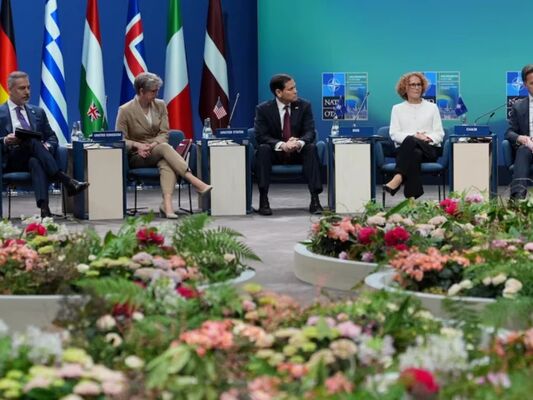
The development came just hours before US Secretary of State Marco Rubio met NATO foreign ministers in Helsingborg, Sweden. The meeting included key discussions on defense coordination, the Iran war, and burden-sharing among alliance members.
During the NATO discussions, Rubio expressed frustration with some member states, saying certain allies had not provided adequate support for US operations. He specifically criticized restrictions on the use of military bases, highlighting disagreements that have strained unity within the alliance.
European leaders, however, emphasized their commitment to NATO and expressed willingness to increase responsibility in areas such as maritime security, particularly in relation to tensions in the Strait of Hormuz. The ongoing Iran conflict has already disrupted global shipping routes and energy markets.
The US Troop Deployment to Poland has raised questions among NATO allies, especially after earlier signals suggesting troop reductions in parts of Europe. Officials have not yet clarified where the additional forces will be drawn from, adding to uncertainty within the alliance.
Analysts say the move reflects a broader shift in US foreign policy under Trump, with mixed signals about NATO commitments and defense priorities. While some European allies welcome stronger presence in Eastern Europe, others are concerned about inconsistent messaging and long-term strategic direction.