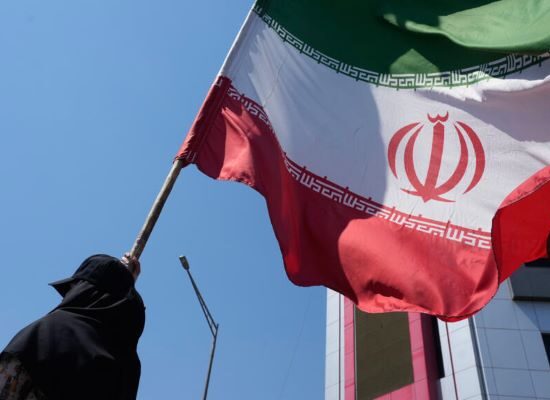

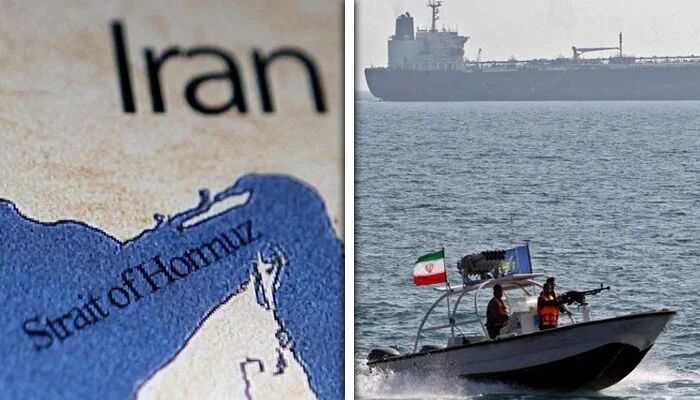
Iran has claimed that 35 vessels successfully crossed the Strait of Hormuz maritime traffic route within a 24-hour period, according to a statement issued by the country’s Islamic Revolutionary Guard Corps (IRGC).
The IRGC said the ships included oil tankers and cargo vessels, which were allowed to pass through the strategic waterway after obtaining Iranian authorization. The statement highlighted continued monitoring and regulation of maritime movement in the region.
The Strait of Hormuz maritime traffic remains a critical global shipping route, as a significant portion of the world’s oil and gas supplies pass through it daily, making it highly sensitive during regional tensions.
In contrast, the US Central Command (CENTCOM) reported disruptions in the area, claiming that Iranian port restrictions have led to the return of 94 commercial vessels. It also stated that four ships were rendered inactive during ongoing maritime tensions.
The conflicting claims underline growing uncertainty over navigation safety in the Strait of Hormuz, especially amid broader geopolitical tensions involving Iran, the United States, and regional allies.
Analysts say that any disruption in Strait of Hormuz maritime traffic could have serious implications for global energy markets, potentially affecting oil prices and supply chains worldwide.
The Strait remains one of the world’s most important maritime chokepoints, and both military and diplomatic developments continue to influence stability in the region.