
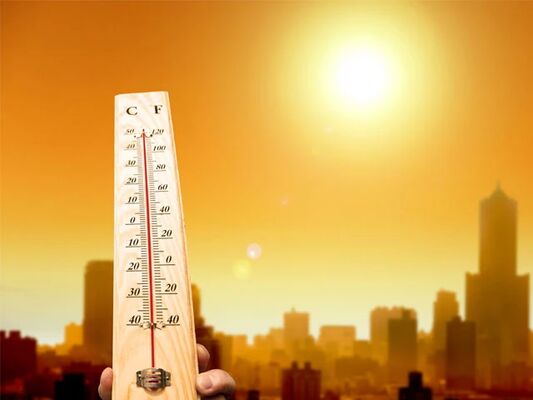
The Pakistan Meteorological Department (PMD) has issued a nationwide heatwave warning, forecasting exceptionally high temperatures across the country from June 7 to 12. According to the advisory, a strong high-pressure system in the upper atmosphere is expected to intensify heat conditions, making this one of the hottest periods of the season. The PMD heatwave warning has prompted authorities and citizens to prepare for extreme weather.
The Met Office stated that the high-pressure system is likely to develop on June 8 and remain active until June 11. As a result, temperatures across many regions are expected to stay significantly above seasonal averages. Several districts in Sindh and Balochistan may experience the most severe conditions during the forecast period.
In southern parts of the country, temperatures could rise between 48°C and 51°C. Areas including Sukkur, Jacobabad, Larkana, Dadu, Ghotki, Sibbi, Turbat, and Panjgur are expected to face extreme heat. Karachi is also forecast to experience very hot weather, with daytime temperatures ranging between 40°C and 43°C.
The PMD heatwave warning also covers Punjab, where temperatures are expected to range from 44°C to 48°C in several cities. Lahore, Faisalabad, Multan, Bahawalpur, Rahim Yar Khan, Dera Ghazi Khan, and other districts are likely to witness unusually high temperatures between June 8 and 11.
In Khyber Pakhtunkhwa, temperatures may remain 4°C to 6°C above normal levels. Cities including Peshawar, Mardan, Bannu, Karak, Lakki Marwat, and Dera Ismail Khan could record temperatures between 41°C and 46°C. Northern areas such as Chitral, Swat, and Gilgit-Baltistan are also expected to experience warmer-than-usual conditions.
Islamabad, Rawalpindi, Attock, Chakwal, Jhelum, Gujrat, Muzaffarabad, and nearby regions may see temperatures reaching 41°C to 44°C. The weather department noted that night-time temperatures are also expected to increase, which could heighten discomfort and raise the risk of heat-related illnesses.
The PMD heatwave warning advises people to avoid direct sunlight between 10am and 4pm, drink plenty of water, and take precautions against heat stress. Farmers have been urged to protect crops and livestock, while authorities have been asked to remain vigilant as electricity demand and water consumption are expected to rise during the heatwave period.