
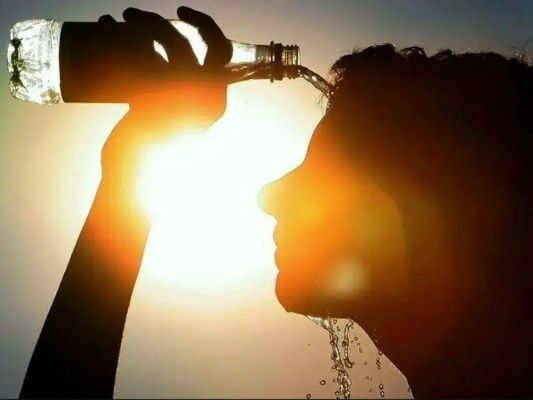
The PMD Weather Forecast for the July–September period warns of below-normal rainfall and above-normal temperatures across most parts of Pakistan, raising concerns about potential climate-related risks, including heatwaves, floods, and agricultural stress. The Pakistan Meteorological Department issued the outlook on Monday.
According to the PMD Weather Forecast, atmospheric and oceanic conditions such as a neutral Indian Ocean Dipole (IOD) shifting toward a positive phase and developing El Niño trends in the Pacific are likely to influence weather patterns. These conditions generally suppress rainfall activity over the region.
The PMD Weather Forecast indicates that most provinces, including Punjab, Sindh, southern Khyber Pakhtunkhwa, and parts of Balochistan, are expected to receive normal to below-normal rainfall during the monsoon season. However, northern regions such as Gilgit-Baltistan, Kashmir, and upper KP may experience normal to slightly above-normal rainfall.
In addition to reduced rainfall, the PMD Weather Forecast predicts above-normal temperatures across the country. Northeastern Punjab, eastern Gilgit-Baltistan, and parts of Sindh and Balochistan are expected to record the highest temperature deviations during the forecast period.
The report also warns that the combination of high temperatures and uneven rainfall could increase the risk of flash floods, landslides, and urban flooding in major cities. It further highlights the possibility of accelerated snowmelt in northern regions, which may raise river flows and trigger glacial lake outburst floods (GLOFs).
Agriculture may also be affected under the PMD Weather Forecast, as below-normal rainfall could increase water stress for key Kharif crops such as rice, cotton, sugarcane, and maize. This situation may lead to higher irrigation demands and pressure on water resources.
The PMD has advised precautionary measures, including protecting crops, securing infrastructure such as billboards and solar installations, and preparing for possible heatwaves, windstorms, and disease outbreaks during the season.