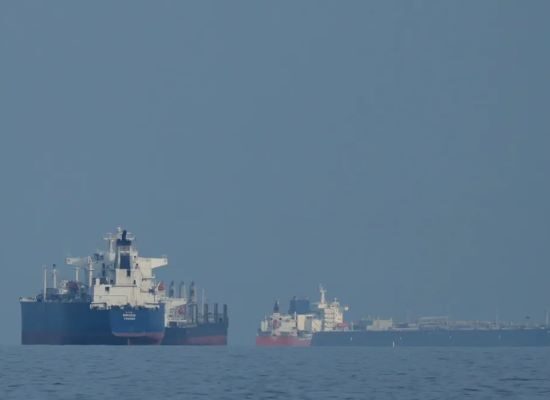

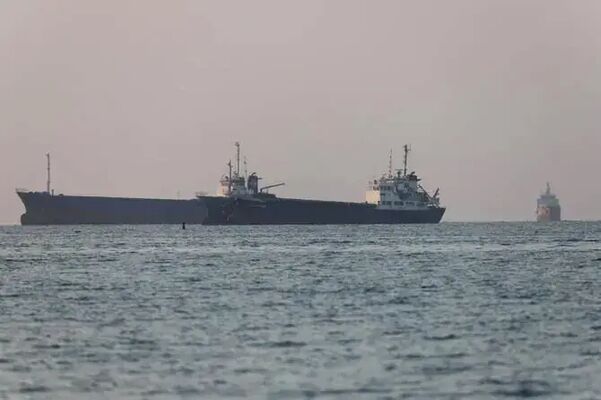
The Fertiliser Supply India situation has come under focus after the Indian government confirmed that 16 ships carrying crop nutrients are currently stranded in the Strait of Hormuz, a key global shipping route. Officials said the vessels are awaiting clearance amid ongoing regional disruptions.
According to Bandana Preyashi, a joint secretary in India’s fertiliser ministry, the stranded shipments include multiple cargoes essential for agricultural production. These include urea, di-ammonium phosphate, ammonia, and sulphur, all critical inputs for crop growth during the sowing season.
The Fertiliser Supply India update revealed that eight ships are carrying around 330,000 metric tons of urea, four vessels are transporting 257,000 tons of di-ammonium phosphate, while additional ships are loaded with ammonia and sulphur shipments.
Despite the disruption, officials said India has already imported around 5 million tons of crop nutrients, including urea, to meet domestic demand. Authorities also highlighted efforts to boost local fertiliser production to reduce import dependency.
To further strengthen supply chains, India has issued a global tender to import an additional 1.7 million tons of urea. Officials said this step is aimed at ensuring uninterrupted availability during the ongoing agricultural cycle.
The Fertiliser Supply India outlook remains stable for now, with the government stating there are no major risks to availability during the current sowing season. India is expected to consume over 38 million tons of fertilisers during the harvest period.
Experts say that while temporary shipping delays in the Strait of Hormuz have raised concerns, strong import planning and domestic output are helping maintain overall supply stability.