
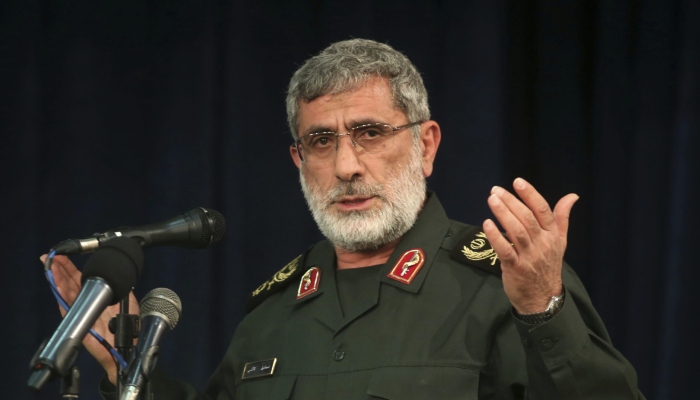
Tehran: Quds Force Commander Esmail Qaani has described the Bab el-Mandeb Strait as a key strategic advantage for resistance forces, saying it played an important role in shaping regional developments during recent conflicts.
Speaking in an interview with Iranian media, Qaani claimed that the conflict involving Iran had damaged the credibility of the United States while accelerating what he described as the decline of Israel’s regional position. He argued that the outcomes of recent confrontations have altered political and military calculations across the Middle East.
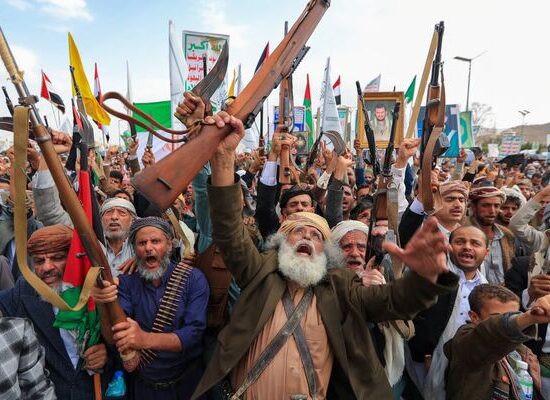
The senior military commander stated that resistance groups in Palestine and Lebanon continued their activities despite facing intense military pressure and sustained attacks. According to Qaani, these groups maintained their presence and operational capabilities throughout the conflict.
Referring to Hezbollah, Qaani said the group stood alongside Iran for 104 days and demonstrated resilience under difficult conditions. He added that efforts to eliminate the organization had not succeeded, highlighting its continued influence in the region.
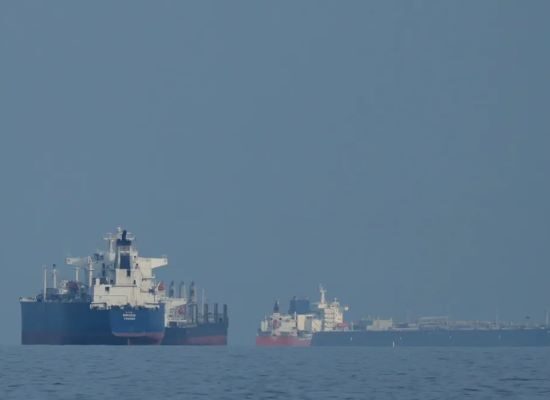
Qaani emphasized the strategic significance of the Bab el-Mandeb Strait, describing it as a “winning card” for resistance forces. He claimed that the security environment in the area was so challenging that some advanced American warships were reluctant to navigate through parts of the Red Sea.
The Quds Force commander also addressed diplomatic efforts, saying Iran’s negotiating team engaged with opposing parties and mediators with full authority. He noted that diplomacy remained an important component of Iran’s approach alongside developments on the ground.
Discussing Lebanon, Qaani said both diplomatic initiatives and field operations reflected what he called the spirit of resistance. He concluded that ongoing political and military shifts in the region are likely to influence future strategic decisions and regional alliances.