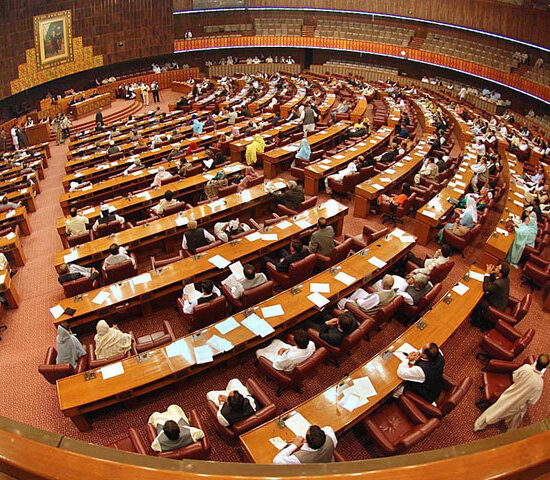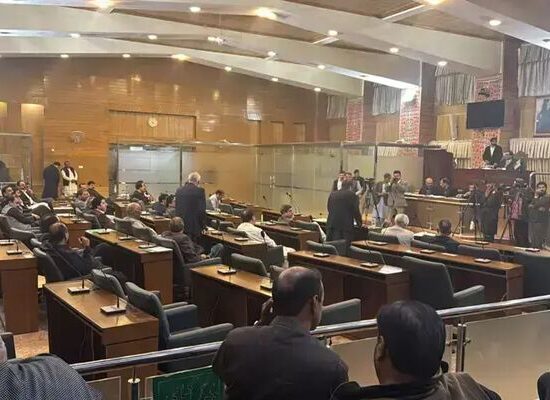

The National Assembly’s Standing Committee on Finance has approved a proposal to impose penalties on individuals who claim excessive tax credits in their income tax returns. The move is part of broader efforts to strengthen tax compliance and improve transparency within Pakistan’s taxation system.
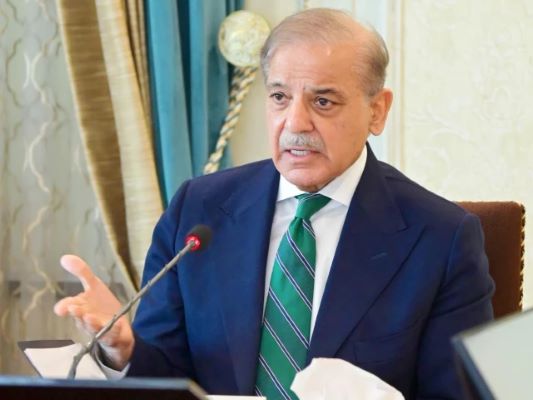
During a committee meeting, officials from the Federal Board of Revenue (FBR) informed lawmakers that taxpayers who incorrectly claim additional tax credits would face penalties equal to the amount of the wrongly claimed credit. The proposal aims to discourage inaccurate declarations and ensure greater accountability in tax filings.
FBR officials also presented recommendations related to the Active Taxpayers List (ATL). Under the proposed measures, taxpayers who fail to meet filing deadlines may face restrictions and additional financial consequences, even if they submit their returns later.
According to the proposals, the surcharge for companies seeking inclusion in the ATL after filing returns late would increase from Rs25,000 to Rs100,000. For Associations of Persons (AOPs), the surcharge would rise from Rs10,000 to Rs50,000, while individual taxpayers could face an increase from Rs1,000 to Rs25,000.
Another key proposal states that taxpayers excluded from the ATL during the non-compliance period would not be eligible to receive tax refunds. Authorities believe this measure will encourage timely filing and improve overall compliance rates.
Committee members, however, expressed concerns regarding penalties for individuals who fail to submit tax returns on time. Some lawmakers suggested extending the grace period to three months, arguing that circumstances such as illness, family emergencies, or bereavement could prevent taxpayers from meeting filing deadlines.
Meanwhile, FBR representatives informed the committee that additional measures are being considered to further tighten regulations for filers and non-filers. Proposed amendments include heavy penalties for those who fail to comply with FBR notices. Under the recommendations, a first violation could result in a fine of up to Rs1 million, while repeated violations may attract penalties of up to Rs2 million.