
A new round of Lebanon Israel talks is set to begin in Washington on Tuesday, as regional diplomacy unfolds under the influence of a recent US-Iran agreement. The negotiations come after several failed attempts to secure a lasting ceasefire between the two sides since April.
Lebanese officials have maintained that direct dialogue with Israel remains the only viable path toward ending ongoing hostilities that have intensified since March. However, previous rounds of the Lebanon Israel talks have not produced any durable agreement, despite international mediation efforts.
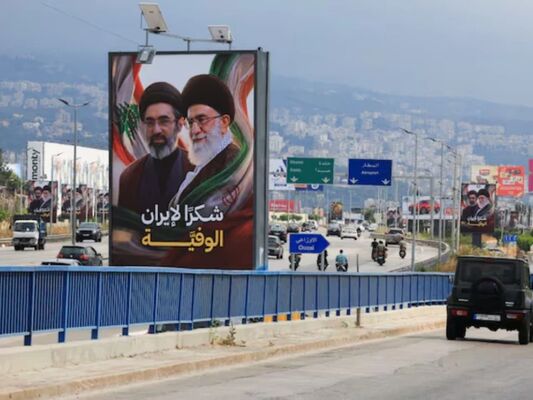
The situation has been further complicated by a US-Iran understanding that reportedly includes provisions affecting multiple regional conflicts, including Lebanon. This development has shifted the diplomatic balance, raising questions about the effectiveness of the current negotiations.
According to officials familiar with the process, the Lebanon Israel talks are now taking place in a weakened diplomatic environment for Beirut. They say the recent Iran-US deal has reduced Lebanon’s negotiating leverage, leaving little room for breakthrough progress.
Lebanon is expected to push for a clear timeline for Israeli military withdrawal from southern areas. Israeli officials, however, have indicated that troop presence may continue indefinitely unless broader security demands, including the disarmament of Hezbollah, are met.
Israel’s position in the Lebanon Israel talks focuses on achieving long-term security arrangements and dismantling Hezbollah’s military capabilities. Lebanese authorities, meanwhile, have taken a cautious approach, avoiding direct confrontation with the group to prevent internal instability.
Despite ongoing negotiations, analysts remain skeptical about meaningful progress. Deep mistrust between both sides, conflicting demands, and regional power dynamics continue to hinder any realistic path toward a comprehensive ceasefire or peace agreement.