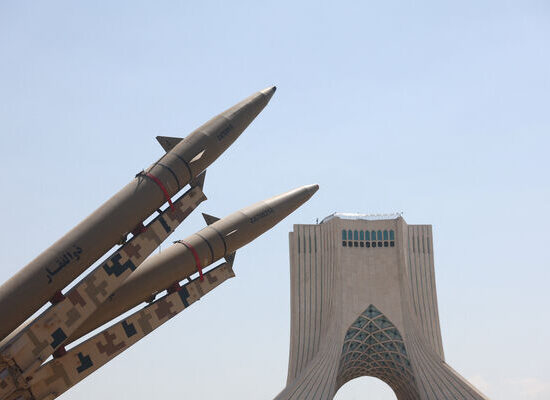

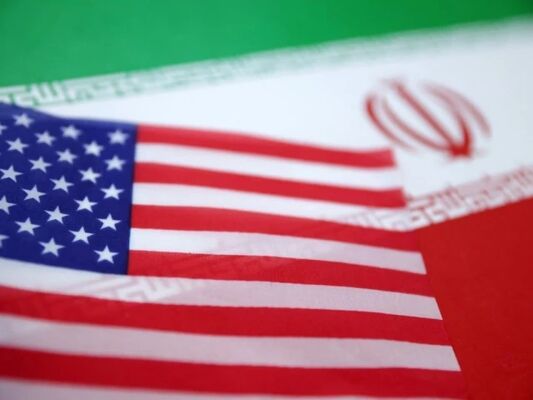
The planned US-Iran Doha talks remain uncertain after Iranian officials said no direct negotiations with the United States have been scheduled, despite both countries sending delegations to Qatar this week. The uncertainty comes as recent missile exchanges have raised concerns over the stability of the interim ceasefire reached earlier this month after months of conflict.
According to Iranian Foreign Ministry spokesperson Esmaeil Baghaei, Iran’s technical delegation is traveling to Doha, but the visit is unrelated to the American delegation. He stated that Tehran has no plans to hold negotiations with Washington in the coming days. Meanwhile, the White House confirmed that President Donald Trump has assigned special envoy Steve Witkoff and senior adviser Jared Kushner to lead the US delegation.
The uncertainty surrounding the US-Iran Doha talks reflects the fragile nature of the June 17 agreement that temporarily halted hostilities. Under the memorandum, both countries agreed to work toward extending the ceasefire, discussing Iran’s nuclear programme, and negotiating a broader peace framework within a 60-day period. However, progress has been slow, with both sides accusing each other of violating agreed commitments.
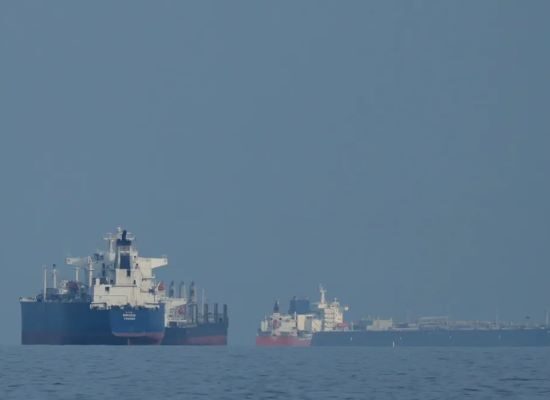
The conflict has also had major economic consequences. Military tensions disrupted shipping through the Strait of Hormuz, one of the world’s most important energy routes, sending oil prices above 100 dollars per barrel and increasing concerns about global inflation. The waterway remains a central issue in ongoing diplomatic efforts.
Iranian officials indicated that any meetings in Doha could focus on reducing tensions in the Strait of Hormuz rather than direct political negotiations. Reports also suggest that American and Iranian technical teams may separately meet mediators from Qatar and Pakistan to discuss maritime security and regional stability under the broader framework of the US-Iran Doha talks.
President Trump described the expected Doha meeting as potentially significant but acknowledged that its outcome remains uncertain. He reiterated Washington’s position that Iran must not develop nuclear weapons. At the same time, senior US lawmakers received classified briefings on the situation, with reactions divided between Republican and Democratic members of Congress.
Despite diplomatic uncertainty, Iran announced that six billion dollars of previously frozen assets held in Qatar would be released. Iranian President Masoud Pezeshkian described the development as a major achievement for the country. With ceasefire violations continuing and regional tensions remaining high, the success of the US-Iran Doha talks will likely play a key role in determining the future of diplomacy and stability in the Middle East.