
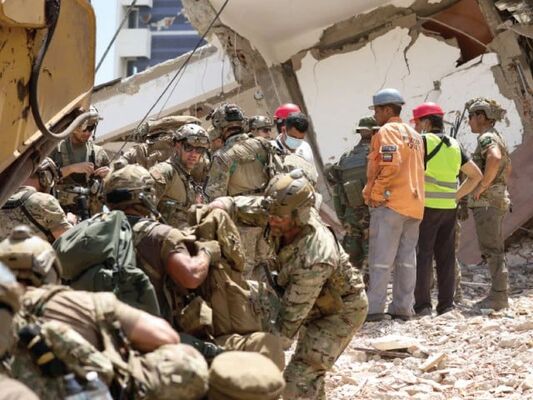
Hope of finding more survivors after the devastating Venezuela earthquakes continued to fade on Wednesday, one week after twin tremors struck the country. Authorities say nearly 2,300 people have lost their lives, while tens of thousands remain missing. Rescue operations are gradually shifting from search efforts to humanitarian relief as communities struggle with widespread destruction and growing shortages of food and clean water.
Interim President Delcy Rodríguez declared seven days of national mourning, describing the disaster as a tragedy that has deeply affected the nation. In the hardest-hit city of La Guaira, most collapsed buildings have been marked with the letter “D” to indicate that search teams found no signs of life after completing rescue operations.
Despite a few remarkable rescues, including a three-year-old boy pulled alive from the rubble six days after the quake, emergency responders say the chances of finding additional survivors are now extremely low. Rescue experts note that survival beyond 72 hours under collapsed structures is rare, making ongoing recovery efforts increasingly difficult.
The Venezuela earthquakes have left an enormous humanitarian crisis in their wake. According to official figures, more than 11,000 people have been injured and nearly 13,000 have lost their homes. The United Nations estimates that around 50,000 people are still unaccounted for, while thousands of families continue searching for missing relatives.
As rescue operations slow, the immediate challenge has shifted to securing food, drinking water and emergency shelter. Aid distribution centers have reported long queues, while shortages have led to growing frustration among survivors. Local authorities have also responded to reports of looting and theft in disaster-affected areas, highlighting the difficult conditions facing many communities.
International support continues to arrive, with rescue teams and humanitarian organizations working alongside Venezuelan authorities. The World Food Programme has appealed for funding to provide emergency food assistance to hundreds of thousands of people, while the World Health Organization has warned that damaged health facilities and disrupted vaccination services could increase the risk of disease outbreaks.
The Venezuela earthquakes have become one of the country’s deadliest natural disasters in decades, causing widespread destruction across residential neighborhoods and public infrastructure. As emergency operations continue, authorities and international agencies remain focused on delivering humanitarian aid, restoring essential services and supporting thousands of displaced families during the recovery process.