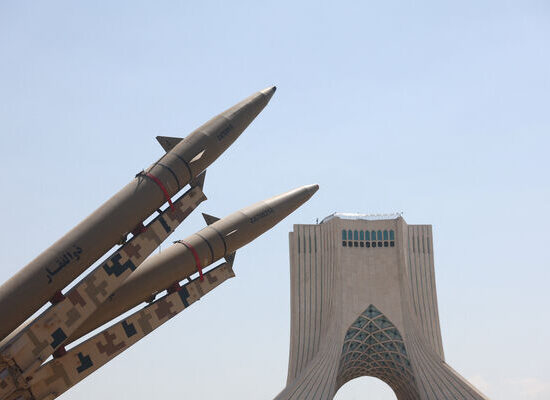

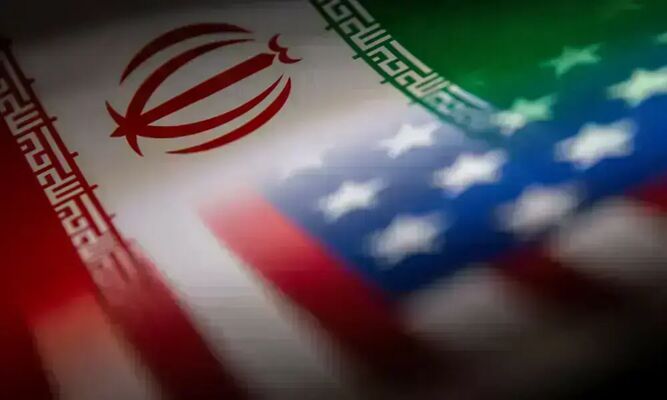
Iran has issued a fresh warning to Washington, saying Iran warns US against interference in Strait of Hormuz as tensions continue over security in one of the world’s most important maritime routes. Tehran said any American intervention in the strategic waterway would be met with a “decisive and rapid” response.
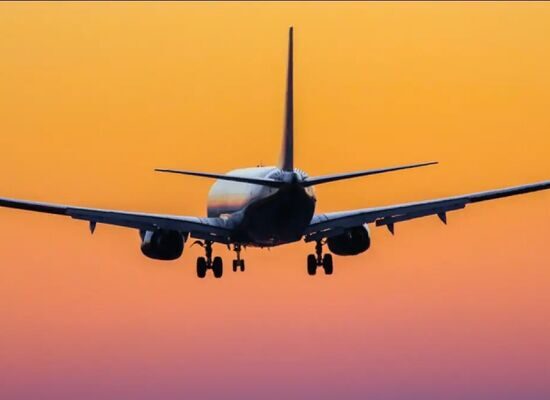
According to Iranian state media, the warning was issued by the Khatam al-Anbiya Central Headquarters, the military command responsible for coordinating Iran’s armed forces operations. The statement said the continued presence of US air assets over the Strait of Hormuz threatens regional stability and increases security risks.
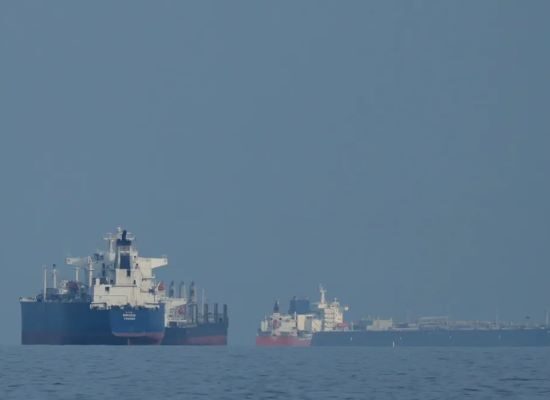
Iranian military officials also instructed that all oil tankers and commercial vessels passing through the Strait of Hormuz must follow navigation routes designated by Tehran. Authorities warned that ships deviating from these approved routes or failing to comply with maritime protocols could face an immediate response.
The latest statement comes as indirect diplomatic contacts between the United States and Iran continue through international mediators. While discussions have focused on technical and regional issues, both sides continue to exchange firm public messages regarding security and military activity in the Gulf.
The Strait of Hormuz remains one of the world’s busiest energy corridors, carrying a significant share of global crude oil exports. Any disruption to shipping through the narrow waterway could affect international energy markets and raise concerns over regional stability.
Regional observers are closely monitoring developments as diplomatic efforts continue alongside heightened military rhetoric. Governments and shipping operators are also watching the situation carefully due to the strategic importance of the route for international trade.
The statement that Iran warns US against interference in Strait of Hormuz highlights the continuing tensions in the Gulf despite ongoing diplomatic engagement. Analysts say future negotiations and regional security developments will play a key role in determining whether tensions ease or intensify.