
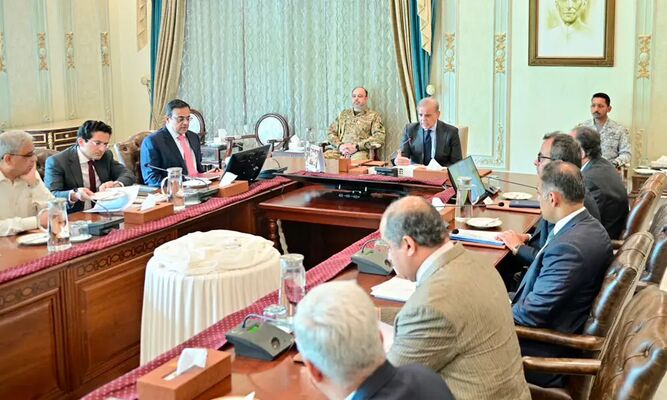
PM Shehbaz economic preparedness was the focus of a high-level meeting on Thursday as Prime Minister Shehbaz Sharif directed authorities to remain fully prepared for any economic challenges arising from the uncertain regional situation. The meeting reviewed the potential impact of ongoing regional tensions on Pakistan’s economy and discussed measures to maintain stability.
Chairing the meeting in Islamabad, the prime minister received a detailed briefing on austerity measures and energy conservation initiatives, according to a statement issued by the Prime Minister’s Office (PMO). Officials also presented updates on the country’s fuel reserves and supply arrangements.
Shehbaz Sharif said uncertainty in the region continues to pose economic risks and instructed the relevant ministries to prepare a comprehensive contingency plan. He emphasized that timely planning would enable the government to respond quickly if the regional situation worsens.
Under the PM Shehbaz economic preparedness strategy, the prime minister said Pakistan’s economy remains stable, but authorities must stay vigilant. He praised the public for supporting previous energy-saving campaigns and said those efforts had helped reduce pressure on fuel supplies.
The prime minister also highlighted the government’s measures to shield ordinary citizens from the impact of higher fuel prices. He said targeted subsidies had protected motorcyclists, rickshaw drivers and transport operators while ensuring that essential transport services remained affordable.
Shehbaz directed both federal and provincial authorities to take strict action against anyone involved in creating artificial shortages of petroleum products. Officials informed the meeting that Pakistan currently has sufficient petroleum reserves and that arrangements are in place to maintain uninterrupted fuel supplies.
The meeting was attended by senior federal ministers, State Bank of Pakistan Governor Jameel Ahmad and other top officials. The government reiterated its commitment to protecting economic stability through proactive planning and coordinated action amid evolving regional developments.