
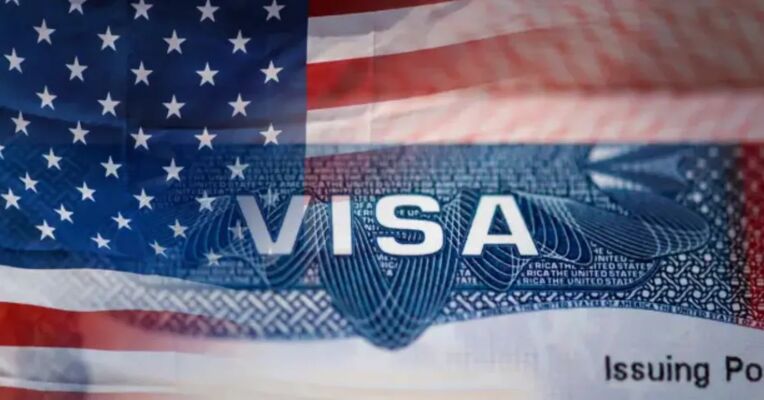
The United States has introduced major changes to its US student visa rules, replacing the long-standing “duration of status” policy with fixed admission periods for many international students. The new regulations, announced by the Department of Homeland Security (DHS), will take effect on September 15 and are expected to increase immigration oversight while adding new requirements for students seeking to extend their stay.
Under the new policy, most students holding F-1 visas and participants in the J-1 exchange visitor program will receive a maximum admission period of four years. Previously, eligible students could remain in the country for the entire duration of their academic programs under the duration of status (D/S) system, regardless of how long their studies took to complete.
Students who require additional time to finish their degrees will now need to apply directly to US Citizenship and Immigration Services (USCIS) for an extension. The process includes submitting Form I-539, paying government filing fees, completing biometric screening and demonstrating continued eligibility. USCIS will have the authority to approve or reject extension requests.
The Department of Homeland Security said the revised US student visa rules are intended to improve monitoring of foreign students and prevent misuse of the immigration system. Officials argued that fixed admission periods would strengthen screening procedures and encourage students to complete their education within the approved timeframe.
Universities and immigration experts, however, have expressed concerns about the changes. They noted that many doctoral programs require five to eight years to complete, while some undergraduate students also need more than four years. Experts warned that additional extension applications could place greater pressure on USCIS, which already faces significant processing backlogs.
The new regulation also shortens the grace period after graduation from 60 days to 30 days. It further limits academic flexibility by restricting many undergraduate students from changing majors or academic programs during their first year without special approval. Students completing one academic program will generally not be allowed to pursue another at the same or a lower educational level under F-1 status.
Education analysts believe the updated US student visa rules could discourage some international students from choosing the United States, particularly applicants from India and China, two of the country’s largest international student communities. Institutions and employers are expected to adjust their recruitment and immigration planning as the new policy comes into force.