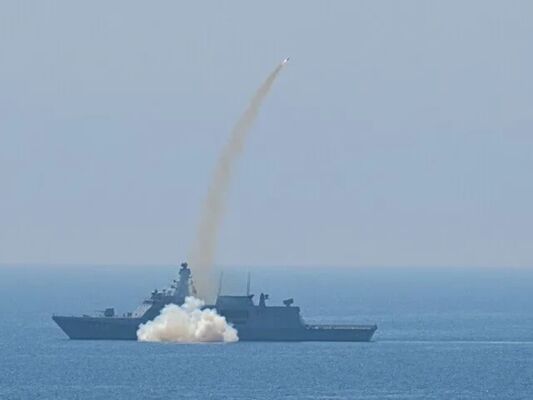

Rising geopolitical tensions between the United States and Iran have pushed Oil Prices Above $87, creating fresh concerns across global financial markets. Investors are increasingly worried that the conflict could disrupt energy supplies from the Middle East, leading to higher inflation and slower economic growth in many countries.
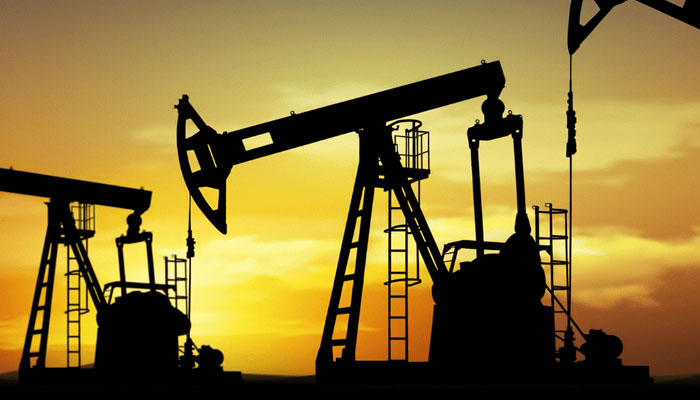
Brent crude gained nearly 4% to trade above $87 per barrel, marking its highest level in several months. US West Texas Intermediate (WTI) crude also recorded a sharp increase, while Murban crude and WTI Midland posted significant gains. Energy traders reacted quickly as fears grew over possible disruptions to oil exports through the Strait of Hormuz, one of the world’s most important shipping routes for crude oil.
The surge in crude prices also lifted natural gas and fuel markets. US gasoline futures, Dutch natural gas, US natural gas, and the Japan-Korea LNG benchmark all moved higher as investors priced in the risk of prolonged regional instability. Any interruption to shipping through the Strait of Hormuz could significantly tighten global energy supplies and push fuel prices even higher.
Global stock markets, however, reacted negatively. Major US indices, including the S&P 500, Nasdaq Composite, and Dow Jones Industrial Average, opened lower as investors shifted money from equities into safer assets. Technology and growth stocks were among the biggest losers, while energy companies benefited from expectations of stronger earnings due to higher oil prices.
European and Asian markets also faced selling pressure. Germany’s DAX and France’s CAC 40 declined on concerns that expensive energy could slow economic recovery. In Asia, Japan’s Nikkei 225, South Korea’s Kospi, and key Chinese indices slipped as investors assessed the economic impact of rising fuel costs and geopolitical uncertainty.
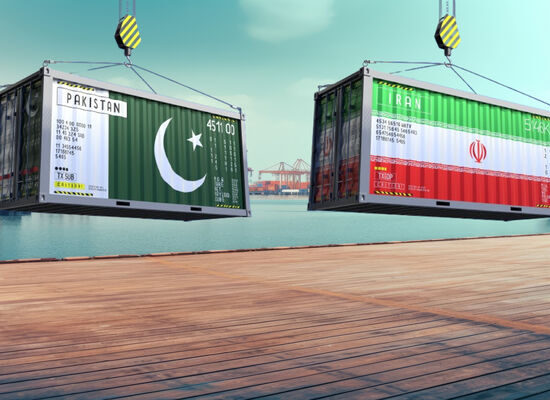
Pakistan could face significant economic challenges if Oil Prices Above $87 remain elevated. Since the country relies heavily on imported petroleum, higher crude prices may increase the import bill, widen the current account deficit, accelerate inflation, and place additional pressure on the Pakistani rupee and public finances. Similar concerns have emerged in India, where rising oil costs may complicate monetary policy and increase inflationary risks.