
The death toll from the devastating Japan earthquake in Kumamoto Prefecture on Kyushu Island has risen to 35, according to prefectural officials. Rescue teams continue searching for survivors as the critical 72-hour rescue window approaches its end, raising concerns that the number of casualties could increase further.
Japan’s public broadcaster NHK reported that authorities have not yet confirmed whether all of the reported deaths were directly caused by the earthquake. Emergency personnel remain engaged in search and rescue operations across the affected areas, where hundreds of aftershocks have complicated recovery efforts.
The Japan Meteorological Agency measured the earthquake at magnitude 7.1, while the United States Geological Survey (USGS) and Germany’s GEOFON seismic monitoring network estimated it at 6.8. The quake reached the highest level, 7, on Japan’s seismic intensity scale and struck at a depth of approximately 10 kilometres.
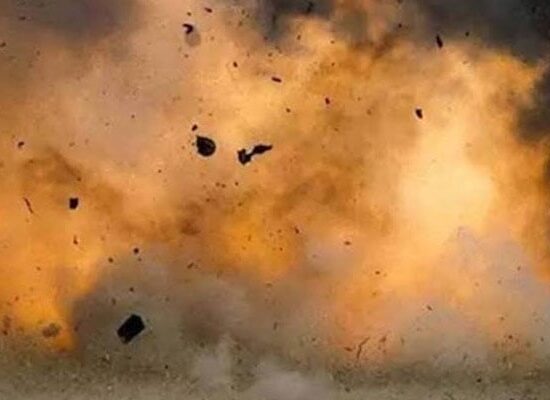
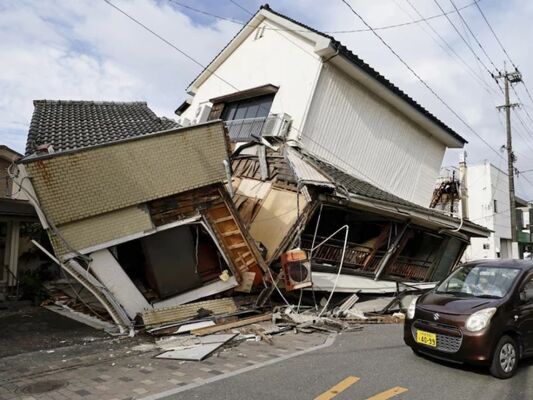
The Japan earthquake caused widespread destruction across Kumamoto Prefecture. In Hikawa Town, more than 120 homes and buildings were completely destroyed. Rescue teams are also working at the heavily damaged Aeon Mall Kumamoto, where a powerful explosion occurred about 80 minutes after the earthquake. Authorities believe the blast may have been caused by a gas leak, although the exact cause remains under investigation.
Officials said seven people rescued from the shopping mall later died, while five others were injured. In Yatsushiro City, a smokestack collapsed at a Nippon Paper Industries facility. Eleven workers were rescued from the site, but nine of them later succumbed to their injuries.
Emergency responders continue to assess damage caused by the main earthquake and hundreds of smaller tremors that followed. Authorities are urging residents to remain alert as aftershocks continue to pose additional risks in the affected region.
Japan is among the world’s most earthquake-prone countries due to its location on the Pacific Ring of Fire. The latest Japan earthquake once again highlights the country’s vulnerability to major seismic events and the importance of disaster preparedness and rapid emergency response.