
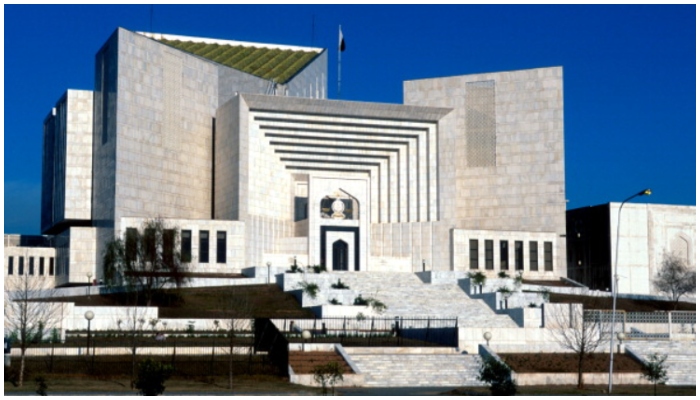
The Supreme Court’s Child Maintenance Ruling has made it clear that the financial support a minor child receives should be based on the child’s reasonable needs, the father’s financial ability, income, and social standing.
The court also stated that decisions from lower courts should only be overturned if they are clearly unfair, unreasonable, or against the law. A bench of two judges, Justice Irfan Saadat Khan and Justice Aqeel Ahmed Abbasi, rejected a petition seeking permission to appeal and supported the ruling of the Sindh High Court. The bench found that there was no legal reason to challenge the findings made by the lower courts.
The petitioner claimed that the child’s father was employed as a manager at a textile company in Bangladesh and had a high salary. Based on this, she asked for the child’s monthly maintenance to be raised to Rs. 40,000. In its detailed ruling, the Supreme Court pointed out that the District Judge, while reviewing the appeal against the Family Court’s decision, had set the child’s monthly maintenance at Rs. 30,000 and ordered a 15% annual increase.
The Sindh High Court later confirmed this order. The court noted that both the appellate court and the High Court had thoroughly considered the father’s income, financial situation, family responsibilities, and the child’s real needs when determining the maintenance amount. It also considered that the father was responsible for two children from a previous marriage. Citing its recent judgment in Muhammad Imran Baqar v. Mst. Zarnain Arzoo (PLD 2026 SC 170), the Supreme Court reminded that a father has both a legal and moral duty to support his children.
However, the amount of maintenance must always be suitable to the child’s actual needs and the father’s financial capability. The court determined that the petitioner did not show any legal mistake, incorrect understanding of the evidence, or improper use of judicial power by the lower courts. Therefore, it found no grounds for interference under Article 185(3) of the Constitution and dismissed the appeal, reinforcing the Supreme Court Child Maintenance Ruling as a key legal reference for future family law cases in Pakistan.