
The Israel Gaza plan has become the latest focus of diplomatic discussions after Israel confirmed it had conveyed its concerns to the United States regarding a proposed framework aimed at ending the conflict in Gaza. Israeli officials said the version of the plan made public does not fully reflect Israel’s security requirements and official position.
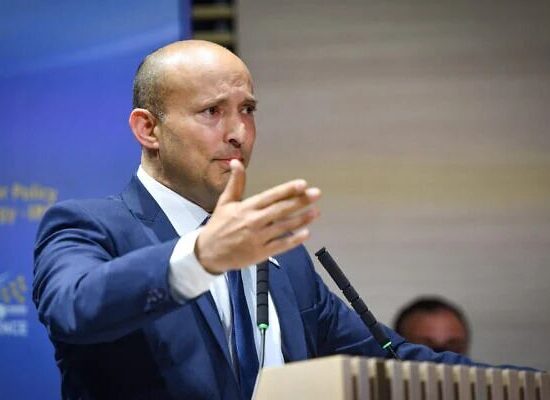
According to Prime Minister Benjamin Netanyahu’s office, Israel has shared its comments with U.S. officials while continuing consultations over the proposal. Spokesperson Doron Spielman stated that the publicly released framework differs from Israel’s preferred approach and stressed that security considerations remain the government’s top priority.
The development comes after reports citing Hamas officials claimed the group had agreed to the proposed framework. However, Hamas has not officially confirmed those reports. U.S. President Donald Trump described the reported progress as a “major milestone” in efforts to end the war and previously said Israel was satisfied with the direction of negotiations.
Israeli officials, however, maintain that any long-term agreement must include the complete and verifiable demilitarisation of Hamas. They argue that intelligence assessments indicate Hamas has continued rebuilding its capabilities since the ceasefire announced in October, raising concerns about future security threats.
An Israeli official, speaking anonymously, said Israel would not withdraw its forces from areas under its control in Gaza unless it verifies that Hamas has been effectively disarmed. Officials insist that lasting peace requires guarantees that militant groups will no longer pose a threat to Israeli civilians.
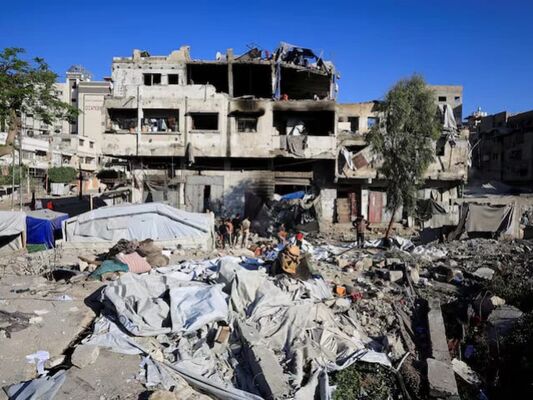
Meanwhile, military operations continued in Gaza despite ongoing diplomatic efforts. Palestinian authorities reported that Israeli strikes on Sunday killed at least 13 people, underscoring the fragile security situation and the humanitarian challenges facing civilians in the territory.
The Israel Gaza plan remains under discussion as Washington seeks to advance negotiations involving regional stakeholders. While diplomatic contacts continue, significant differences remain over security guarantees, the future governance of Gaza, and conditions for any permanent ceasefire agreement.