
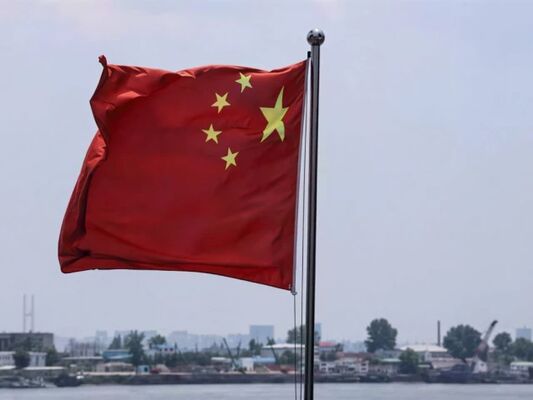
China has firmly defended its China economic model ahead of high-level trade discussions with the European Union and the United States, signaling that Beijing is unlikely to make major policy concessions despite mounting criticism from Western governments over its industrial strategy and export-driven growth.
Chinese President Xi Jinping is expected to hold additional meetings with U.S. President Donald Trump later this year, while the European Union has set an October deadline for Beijing to address long-standing trade disputes. The negotiations come as China’s trade surplus continues to expand, increasing concerns among its major trading partners.
Western governments argue that China’s industrial policies favor manufacturers over domestic consumers, allowing heavily supported industries to flood international markets with lower-cost goods. They say these practices distort competition, weaken manufacturing sectors abroad, and conflict with the principles of fair global trade.
Beijing has rejected those accusations, insisting its development strategy reflects the needs of a country still transitioning toward a high-income economy. Senior Communist Party officials recently reaffirmed support for targeted industrial policies rather than broad consumer-focused stimulus, signaling continuity in China’s long-term economic direction.
China’s Commerce Ministry also dismissed claims of industrial overcapacity, describing them as politically motivated and based on flawed assumptions. Officials argue that investments in advanced manufacturing, technology, and scientific innovation have improved product quality while contributing to global economic development rather than harming international markets.
Analysts believe China’s latest messaging is designed to establish clear negotiating boundaries before trade talks begin. While Beijing acknowledges challenges such as weak domestic consumption, excess production capacity, and price competition, it appears determined to address these issues gradually instead of implementing sweeping structural reforms demanded by Western economies.
The China economic model will remain a central issue during upcoming negotiations with Washington and Brussels. Although both sides continue to seek common ground, significant differences over subsidies, market access, industrial policy, and global trade rules suggest that negotiations are likely to remain complex as China seeks to protect its long-term development strategy.