
Gulf shipping traffic has declined sharply after Yemen’s Iran-aligned Houthi group claimed missile attacks on Saudi oil tankers, raising fresh concerns over security in key global maritime routes. Shipping data showed fewer vessels passing through major waterways on Wednesday.
Traffic through the Strait of Hormuz and the Bab-el-Mandeb Strait, two of the world’s most important maritime chokepoints, dropped significantly compared with the previous day. The decline comes amid rising regional tensions linked to the wider conflict in the Middle East.
According to shipping data, only two vessels crossed the Strait of Hormuz on Wednesday. This was a major decrease from eight ships recorded a day earlier, while normal traffic before recent tensions was estimated at around 130 to 140 vessels daily.
The Bab-el-Mandeb Strait also saw reduced movement, with only one commercial vessel passing through on Wednesday compared with 20 ships the previous day. The route is vital for global energy and trade shipments connecting Asia, Europe, and the Middle East.
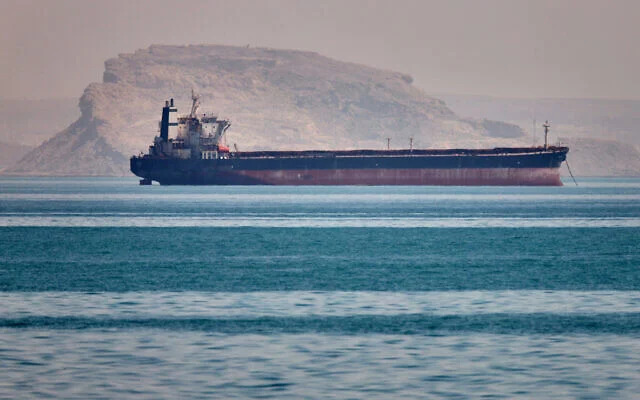
The Houthi group announced that it had carried out missile attacks against Saudi oil tankers near the Red Sea port city of Yanbu and in the Gulf of Aden. Saudi authorities have not confirmed either incident so far.
The Houthis said the attacks were part of a naval blockade against Saudi Arabia, accusing Riyadh of restricting supplies to Yemen. Saudi Arabia has rejected these allegations and denied imposing any such measures.
The latest drop in Gulf shipping traffic highlights growing concerns among international shipping companies about safety in regional waters. Any prolonged disruption could affect energy markets, trade routes, and global supply chains.