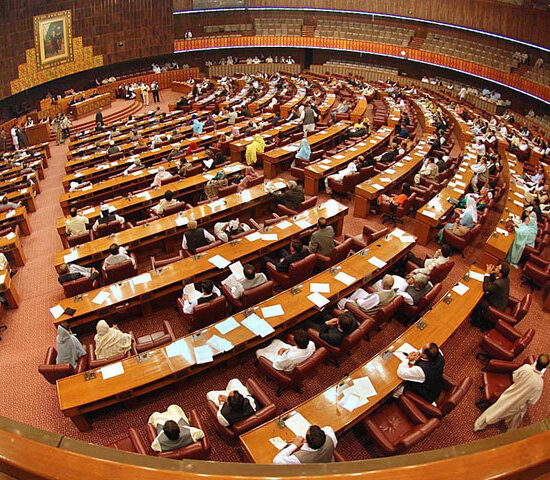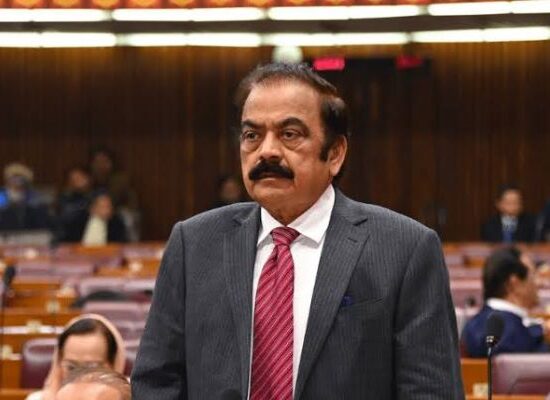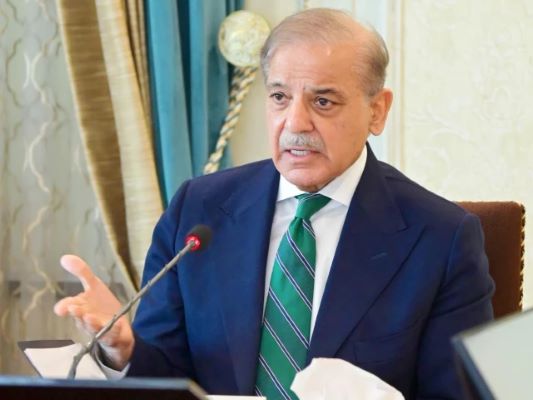

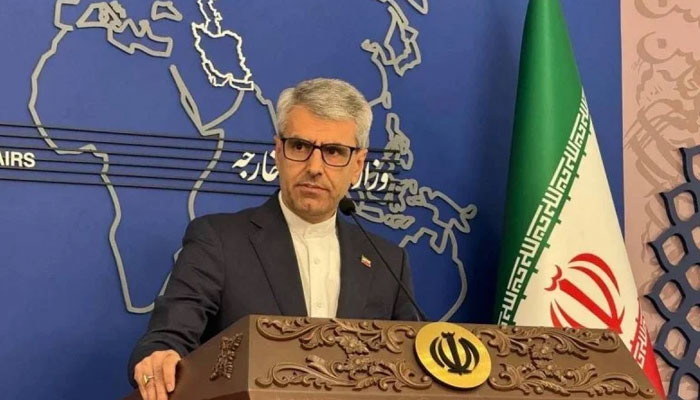
Iranian Foreign Ministry spokesman Esmail Baghaei has said that the defense agreement between Saudi Arabia, Türkiye and Pakistan does not represent a threat to Iran. He made the remarks while briefing the media on regional developments and Tehran’s position on recent diplomatic and security issues.
Baghaei blamed the United States for what he described as insecurity in the Middle East. He urged Gulf countries not to allow their territory to be used for potential US operations against Iran, arguing that avoiding outside intervention would be important for reducing tensions in the region.
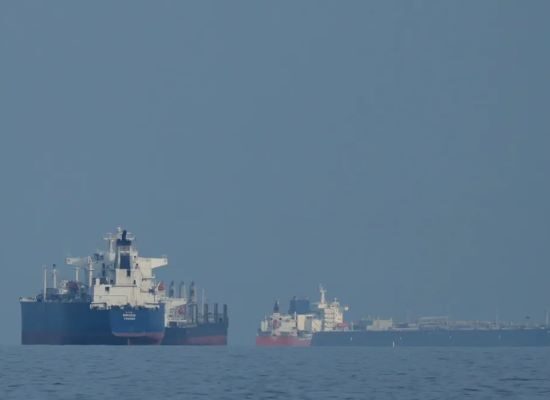
Addressing the situation surrounding the Strait of Hormuz, the Iranian spokesman said the waterway could be reopened if there were no intervention by a third party. He also stressed that an agreement with Oman does not itself guarantee the safety of shipping through the strategically important maritime route.
Baghaei further said that the United States is not a party to the agreement between Iran and Oman concerning the Strait of Hormuz. His comments come amid continued international attention on shipping through the waterway and the broader security situation in the region.
The Iranian official also provided an update on diplomatic contacts with Washington. According to Baghaei, Iran and the United States are not currently engaged in direct negotiations, although messages are being exchanged through intermediaries.
He said Iran would not resume direct talks with the United States while what he described as ongoing violations continue. Tehran, he indicated, is maintaining its position on negotiations and expects fundamental changes in circumstances before direct engagement can resume.
Baghaei also reiterated that the Saudi Arabia, Türkiye and Pakistan defense pact is not considered a threat to Iran. His remarks come amid heightened regional attention to defense cooperation, Iran-US diplomatic contacts and developments surrounding the Strait of Hormuz.