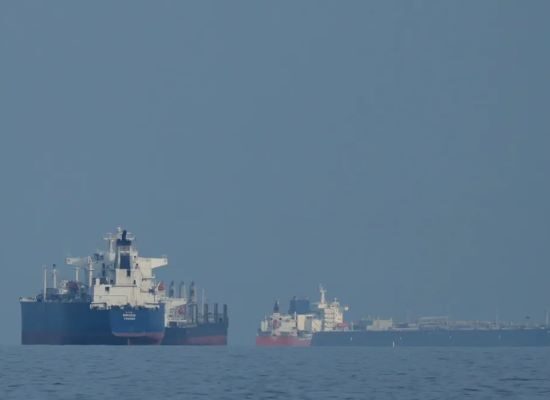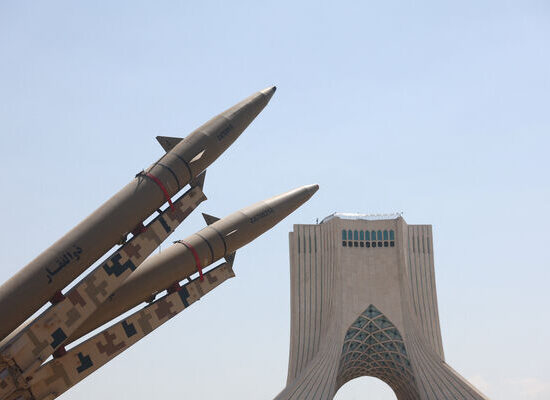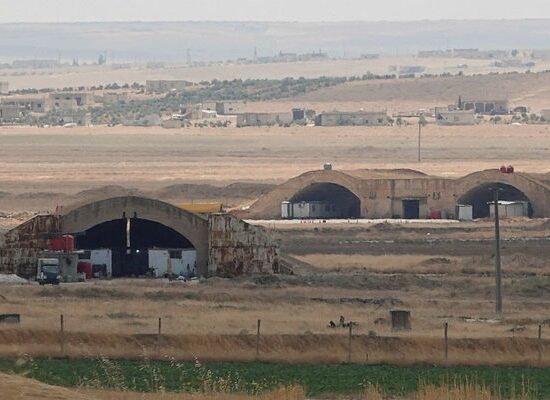

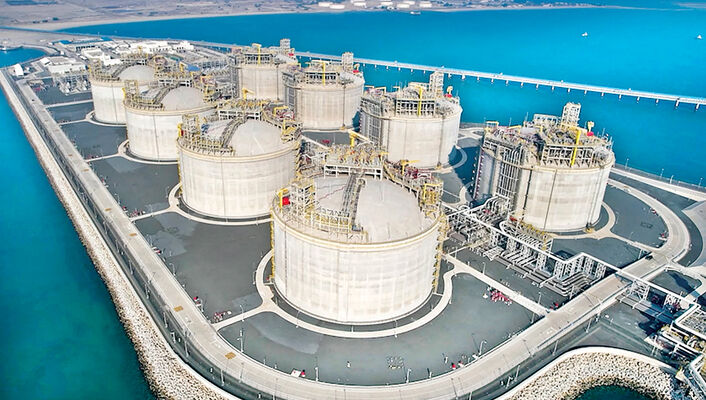
Kuwait’s oil sector is facing one of its biggest crises in decades as the conflict between the United States and Iran continues to disrupt the Kuwait oil Strait of Hormuz route. Petroleum exports have fallen sharply, leaving the Gulf state heavily dependent on reopening the waterway.
Oil remains the foundation of Kuwait’s economy, accounting for more than 90 per cent of government revenue and almost all export earnings. The country also holds around 6 per cent of the world’s total oil reserves.
Unlike Saudi Arabia and the United Arab Emirates, Kuwait does not have pipelines capable of bypassing the Strait of Hormuz. As a result, most of its crude exports must pass through the strategically important waterway before reaching international markets.
The disruption has severely affected Kuwait Petroleum Corporation. Its chief executive, Sheikh Nawaf Saud Al-Sabah, described the current situation as the toughest crisis facing Kuwait’s oil sector since Iraq’s invasion in 1990.
Kuwait declared force majeure shortly after the conflict began, protecting the state-owned company from certain contractual obligations because of circumstances beyond its control. The notice was lifted in June, although serious challenges to energy exports remain.
Kuwait has also faced Iranian strikes targeting desalination facilities and energy installations, including petroleum infrastructure. A drone attack on KPC’s headquarters in April forced the company’s chief executive to relocate temporarily to another office.
Before the conflict, Kuwait was producing slightly more than 2.6 million barrels of oil per day and had plans to raise output to 4 million barrels daily by 2040. KPC says reopening the Kuwait oil Strait of Hormuz route would allow the country to restore production and potentially increase it beyond pre-war levels.