
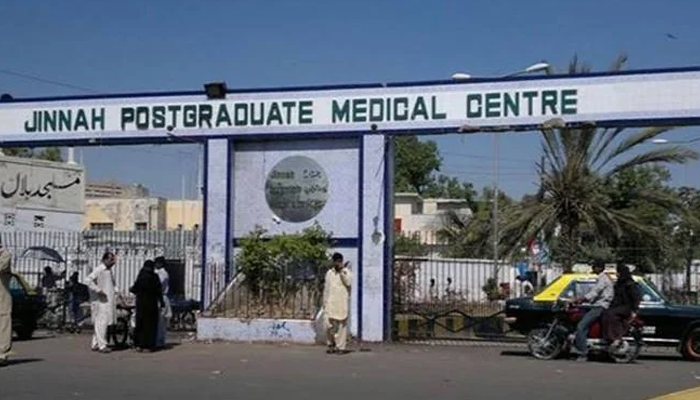
Karachi: Serious questions have emerged over diesel consumption at Jinnah Postgraduate Medical Centre (JPMC), Karachi, after documents revealed that the hospital spent more than Rs5.25 million on generator fuel during the first three months of the financial year, despite reportedly enjoying exemption from load-shedding.
According to documents available to Daily Jang, the hospital spent a total of Rs5,256,248 on diesel for generators during the initial three months of the financial year. The expenditure has raised questions about generator usage, fuel consumption and financial oversight at one of Sindh’s largest public-sector hospitals.
The reported spending has drawn further attention following a prolonged power outage at the hospital, during which emergency generators reportedly failed to operate. Reports also emerged that two patients receiving treatment in the Intensive Care Unit (ICU) died, while the condition of several other patients deteriorated. However, the hospital administration denied any connection between the deaths and the electricity disruption.
Hospital officials maintained that both patients were already critically ill and died due to underlying medical complications. They rejected claims that the power outage was responsible for the deaths, although concerns about the failure of backup power arrangements remain.
Meanwhile, a K-Electric spokesperson stated that Jinnah Hospital is completely exempt from load-shedding. According to the spokesperson, the electricity disruption resulted from an internal technical fault within the hospital and had no connection with K-Electric’s infrastructure. The utility also said its staff remained in contact with hospital management to assist in resolving the internal electrical problems.
The hospital administration attributed the failure of emergency generators during the outage to a technical issue in the software system. Deputy Director Dr Yahya Taniu explained that generators are regularly operated during technical faults, electricity disruptions and routine inspections. He added that generators are also used to provide alternative power whenever required.
However, Dr Taniu said he did not currently have figures showing the exact quantity of diesel consumed or the detailed expenditure incurred during the three-month period. He also described questions concerning generator operations as technical matters, raising further questions about transparency, fuel consumption records and financial accountability at the public-sector medical facility.