
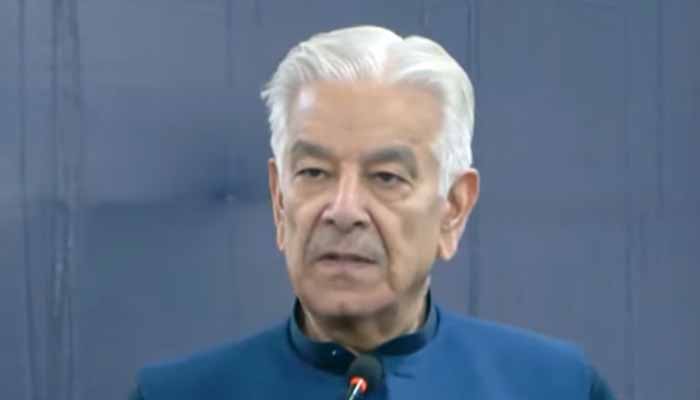
Defence Minister Khawaja Asif has said India and its military acknowledged the outcome of the latest India-Pakistan war, calling it a major honour for Pakistan. He said previous conflicts between the two countries had left some uncertainty, but the latest confrontation was different.
He made these remarks while addressing a public gathering in Sialkot. The defence minister said this was the first conflict with India in which, according to him, no ambiguity remained about the outcome. He described India’s reported acknowledgment as a significant achievement for Pakistan.
Speaking about his political career, Khawaja Asif said he entered politics in 1991 and had served the country for 36 years. He described Sialkot as his identity and said improving the lives of its residents remained his responsibility. He also admitted that he sometimes felt tired after years in public service.
The minister recalled facing several challenges during his political career. He said he had been imprisoned four times and spent time in Attock Fort during former military ruler Pervez Musharraf’s government. He also mentioned spending six months in National Accountability Bureau custody during the Pakistan Tehreek-e-Insaf government in 2020.
Khawaja Asif alleged that authorities had failed to explain the charges against him during his detention. He also criticised the practice of political victimisation, saying governments sometimes arrest individuals before deciding what charges to bring against them. He maintained that such practices did not serve the country’s interests.
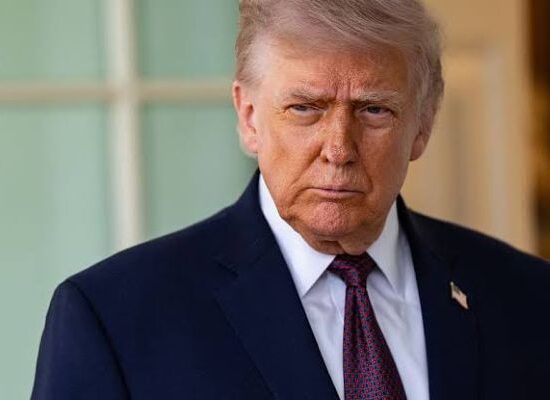
Discussing the India-Pakistan war, the defence minister claimed that Pakistan had defeated an enemy five times larger than itself. He also referred to statements by the US president, who he said had repeatedly discussed aircraft losses during the conflict. Asif added that diplomatic achievements were continuing under the leadership of the field marshal.
The defence minister also discussed regional security and Pakistan’s diplomatic position among Muslim countries. He said Pakistan had highlighted concerns about overseas military bases, arguing that these facilities were not necessarily established to protect their host countries. He claimed that some bases served Israel’s security interests. His remarks focused on Pakistan’s military claims, diplomatic standing and regional security concerns.