
Pakistan’s federal government managed to keep the Pakistan budget deficit under control during the first 11 months of fiscal year 2025-26, largely due to strong collections from petroleum and climate-related levies. Increased non-tax revenue and a sizeable provincial budget surplus also helped improve the country’s fiscal position.
Official financial data shows that from July to May, the federal budget deficit stood at Rs3.34 trillion, equivalent to 2.6% of GDP. After accounting for the provinces’ combined budget surplus of Rs1.31 trillion, the overall fiscal deficit declined to approximately Rs2.03 trillion, or 1.6% of GDP, in line with commitments made under Pakistan’s economic reform program.
The federal government had set a full-year fiscal deficit target of 3% of GDP, estimated at Rs3.77 trillion. This revised goal was lower than the earlier projection of 3.9% of GDP, reflecting the government’s efforts to strengthen revenue collection and improve fiscal discipline.
A significant contribution came from non-tax revenue sources. During the first 11 months of the fiscal year, the government generated Rs4.82 trillion from three major sources: profits transferred by the State Bank of Pakistan, petroleum levy collections, and the Climate Support Levy. The annual target for these combined revenues was Rs5.14 trillion.
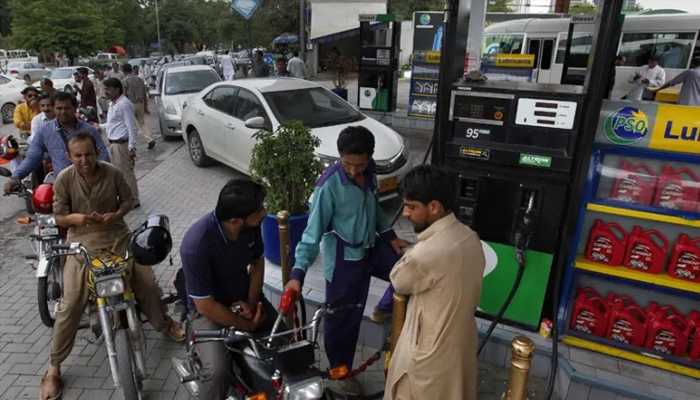
Among these sources, the State Bank transferred more than Rs2.42 trillion in profits to the federal government. Petroleum levy receipts reached approximately Rs1.43 trillion, while the Climate Support Levy generated nearly Rs46 billion, highlighting the growing importance of non-tax income in balancing public finances.
Meanwhile, the Federal Board of Revenue (FBR) collected over Rs11.22 trillion in taxes during the same period. However, debt servicing remained one of the largest financial obligations, with interest payments exceeding Rs6.16 trillion, placing continued pressure on public finances despite stronger revenue performance.
The Ministry of Finance has yet to release the reconciled financial results for the fiscal year ending June 30, 2026. Final figures are expected in the coming weeks, but preliminary data indicates that higher non-tax revenue and provincial fiscal support played a key role in keeping the Pakistan budget deficit close to the government’s target.