

Middle East peace hopes have strengthened as diplomatic efforts intensify over a possible ceasefire in Lebanon and ongoing US-Iran negotiations. Reports suggest that Israel’s cabinet has reviewed ceasefire options as regional tensions show early signs of easing.
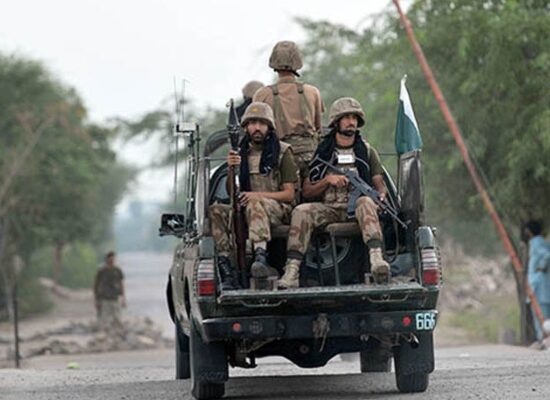
According to officials, Middle East peace hopes are linked to discussions around ending the conflict in Lebanon, where fighting with Hezbollah has continued for weeks. International mediators, including Pakistan, are playing a role in back-channel diplomacy.
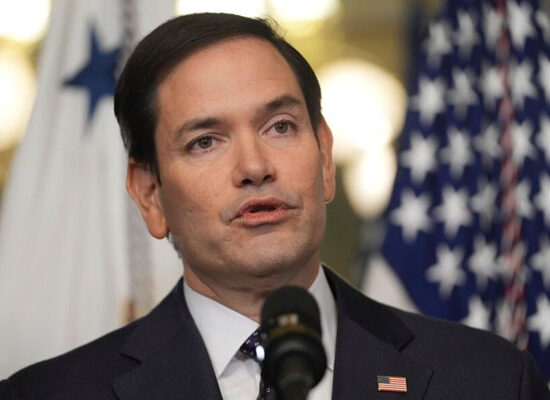
The White House has expressed cautious optimism, stating that Middle East peace hopes are supported by what it called “productive and ongoing” talks. Pakistan’s mediation efforts have been described as an important channel in facilitating communication between key parties.
At the same time, reports indicate that a senior Pakistani-mediated delegation is in Tehran, working to narrow differences between the United States and Iran. These efforts are seen as central to strengthening Middle East peace hopes across the region.
Another key issue in negotiations is the strategic Strait of Hormuz, where tensions have disrupted global shipping and energy markets. Any agreement is expected to include measures to stabilize maritime traffic and reduce escalation risks.
Economic observers say Middle East peace hopes have already influenced global markets, with oil prices stabilizing and stock markets reacting positively to the possibility of de-escalation. However, analysts warn that past breakdowns in talks still raise uncertainty.
Diplomatic sources suggest that while gaps remain on nuclear and security issues, continued engagement through mediators like Pakistan may eventually lead to a framework agreement, keeping Middle East peace hopes alive.