
The Pakistan fuel prices 2025-26 reached record levels during the fiscal year, forcing consumers to pay the highest-ever rates for petrol and high-speed diesel. The financial year proved particularly challenging for households already struggling with inflation and rising living costs.
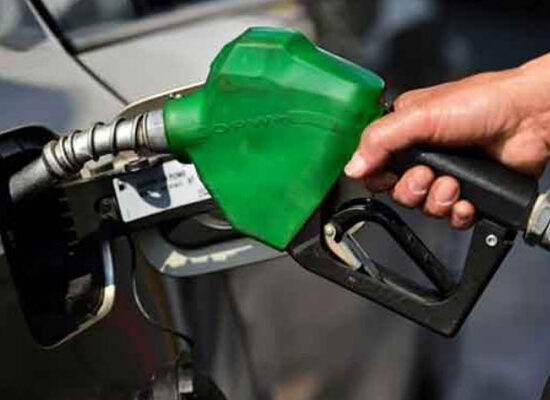
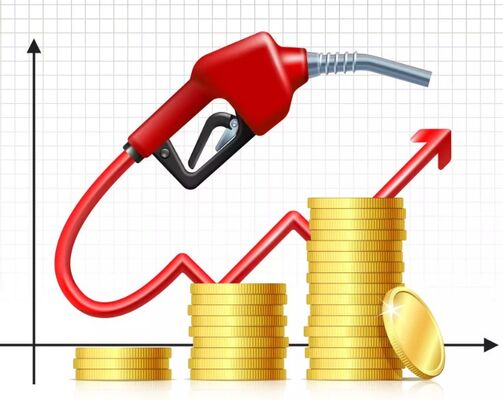
According to available official figures, the fiscal year ending on June 30 saw significant increases in fuel prices. The government raised the price of high-speed diesel to as much as Rs257.76 per litre, while petrol prices climbed to Rs199.98 per litre during the year, placing an additional burden on consumers.
The sharp rise in Pakistan fuel prices 2025-26 also coincided with a historic increase in the petroleum levy. Higher fuel costs affected transportation expenses, household budgets, and business operations, contributing to inflationary pressure across multiple sectors of the economy.
Economists say rising fuel prices have a direct impact on the prices of essential goods and services because transportation costs increase throughout the supply chain. As a result, consumers often experience higher prices for food, daily necessities, and public transport.
The government has maintained that petroleum pricing is influenced by international oil market trends, exchange rate fluctuations, and fiscal requirements. Officials have also emphasized the importance of petroleum levy collections in supporting government revenues during the fiscal year.
For many citizens, however, the record-breaking Pakistan fuel prices 2025-26 translated into higher commuting costs and increased financial pressure. Businesses dependent on fuel also faced rising operating expenses, affecting overall economic activity.
With the conclusion of FY2025-26, attention is now turning to future fuel pricing policies and global oil market developments. Consumers and businesses alike will be closely monitoring whether petrol and diesel prices stabilize in the coming months.