
Strait of Hormuz shipping remained below normal over the weekend after attacks on two commercial vessels renewed security concerns along one of the world’s busiest energy routes. While some ships continued transiting the strategic waterway, uncertainty among shipowners and insurers has slowed the pace of maritime traffic.
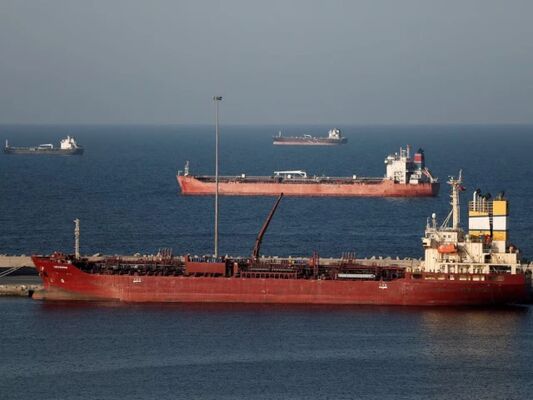
According to maritime tracking data, vessel movements continued after the Singapore-registered container ship Ever Lovely sustained minor damage on June 25 and the Panama-flagged oil tanker M/T Kiku was reportedly struck on June 27. Despite the incidents, several commercial vessels continued crossing the strait.
The Maritime and Port Authority of Singapore confirmed that Ever Lovely suffered minor damage to its bridge from an unidentified projectile while departing the Strait of Hormuz. The vessel successfully completed its voyage, and all 21 crew members remained safe following the incident.
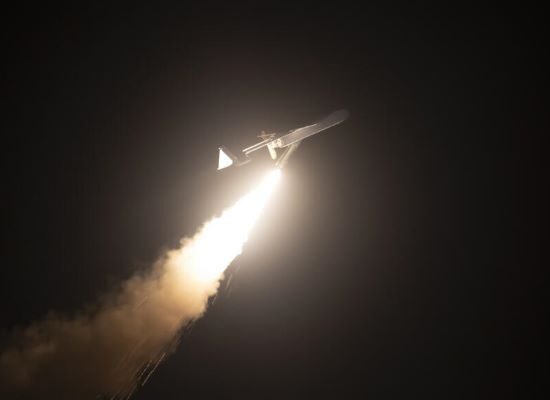
Meanwhile, the US Central Command (CENTCOM) stated that Iranian forces struck the tanker M/T Kiku with a one-way attack drone while it was carrying more than two million barrels of crude oil near the Strait of Hormuz. CENTCOM added that US forces later carried out strikes against Iranian targets in response.
Despite heightened tensions, Strait of Hormuz shipping continued over the weekend. Maritime data showed 40 vessel movements on June 27, including 24 inbound and 16 outbound transits. Several very large crude carriers entered the Persian Gulf empty, while loaded oil tankers departed carrying approximately 4.1 million barrels of crude.
The Joint Maritime Information Centre raised the maritime security threat level in the Strait of Hormuz to “substantial,” warning ships about possible naval activity and mine-related risks. Shipping companies remain divided over whether to continue using the waterway, with some operators delaying voyages while others continue sailing through designated routes.
The Strait of Hormuz remains one of the world’s most critical energy corridors, linking Gulf oil producers with global markets. Although Strait of Hormuz shipping has partially recovered after recent disruptions, the latest attacks highlight ongoing security challenges that continue to affect international trade, energy supplies, and regional stability.