
Pakistan has received its first liquefied natural gas (LNG) shipment for October from Qatar, but concerns over winter gas supplies remain. The arrival of the Pakistan LNG cargo comes as the country prepares for higher demand during the winter of 2026-27.
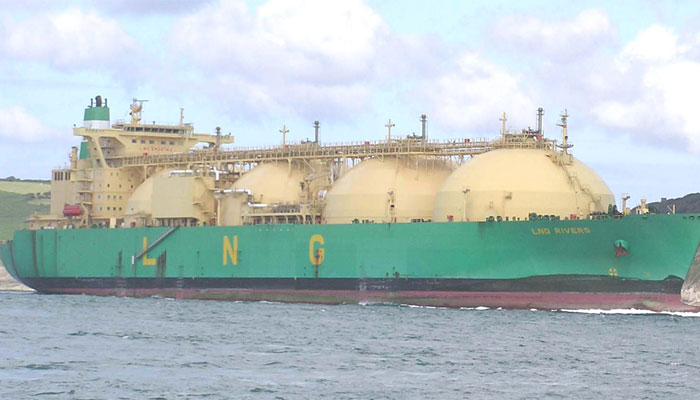
The LNG carrier Al Areesh arrived at Engro’s LNG terminal on Tuesday at 11:05am. According to the available information, the process of converting the imported LNG back into natural gas began at noon. The shipment is expected to support domestic gas supplies as temperatures fall and consumption increases.
Pakistan will require 24 LNG cargoes to meet its gas needs during the winter of 2026-27. The requirement highlights the importance of securing sufficient imported fuel to supplement domestic production. However, the arrival of one shipment does not resolve wider concerns about meeting the country’s expected winter demand.
Demand for gas supplied by Sui Northern Gas Pipelines Limited (SNGPL) is projected to increase sharply during the colder months. Its current demand of 550 million cubic feet per day is expected to rise to 1,550 million cubic feet per day, creating additional pressure on the country’s gas distribution system.
Sui Southern Gas Company (SSGC) is also expected to face higher demand. Its gas requirements could increase from the current 300 million cubic feet per day to 500 million cubic feet per day during winter. These projected increases indicate that both major gas utilities will need adequate supplies to serve their customers.
The growing gap between gas demand and available supplies has raised concerns about possible restrictions for several industrial sectors. Export-oriented industries, non-export industries, compressed natural gas (CNG) stations and cement manufacturers could face difficulties obtaining gas during the winter months if supplies remain insufficient.
The arrival of the Pakistan LNG cargo from Qatar provides some support as the country prepares for the colder season. However, the expected need for 24 shipments and the projected increase in consumption underline the challenges ahead. Ensuring sufficient LNG imports and managing available gas supplies will be important to reduce the risk of shortages affecting households and industrial activity during winter.