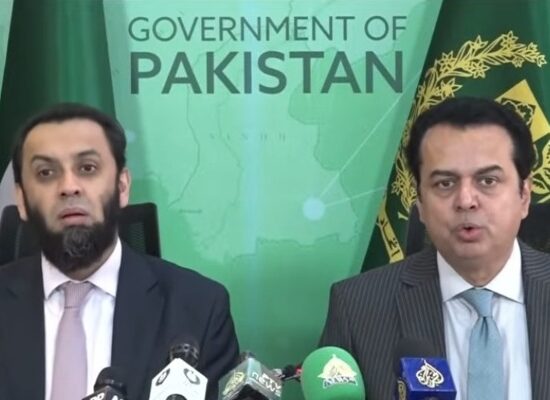

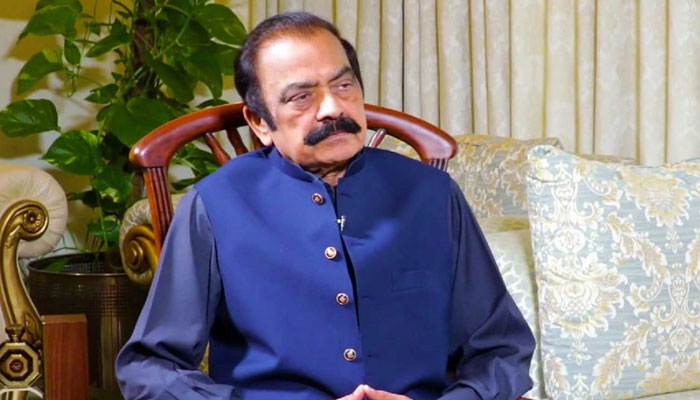
Federal Minister for Political Affairs Rana Sanaullah has stated that the proposed 28th constitutional amendment in Pakistan could focus only on fundamental national matters and will not include any clause related to the country’s armed forces.
Speaking during the program , Rana Sanaullah said that Pakistan has already witnessed 27 constitutional amendments, and any future amendment would naturally be referred to as the 28th amendment. He added that discussions on constitutional reforms continue among political circles from different perspectives.
The federal minister explained that several important national matters remain under discussion, including the NFC Award, population-related concerns, water distribution issues, and other administrative affairs. According to him, these subjects are of fundamental importance and may require broader political consensus for long-term solutions.
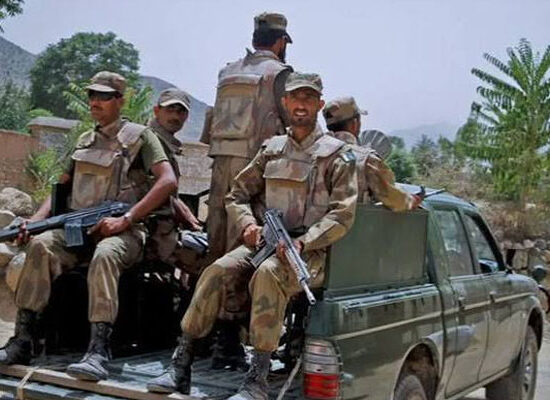
Rana Sanaullah rejected speculation that the proposed amendment contains any provision related to the Pakistan Armed Forces. He clarified that no such clause is under consideration and that the discussions are mainly focused on constitutional and governance-related matters.
Commenting on the debate between parliamentary and presidential systems, he said some individuals believe a presidential model could work better for Pakistan. However, he emphasized that the majority of political stakeholders agree that the parliamentary democratic system remains the most suitable structure for the country.
The minister also revealed that a proposal to increase the minimum voting age is under consideration. He explained that if the minimum age to contest elections is set at 25 years, then voting should also be viewed as a serious national responsibility deserving thoughtful discussion.
Referring to remarks made by Bilawal Bhutto Zardari, Rana Sanaullah said the Pakistan Peoples Party is not upset with the government. He acknowledged Bilawal Bhutto’s statement that no constitutional amendment can be passed without the support of the PPP, stressing that major constitutional decisions in Pakistan always require broad political consensus.