
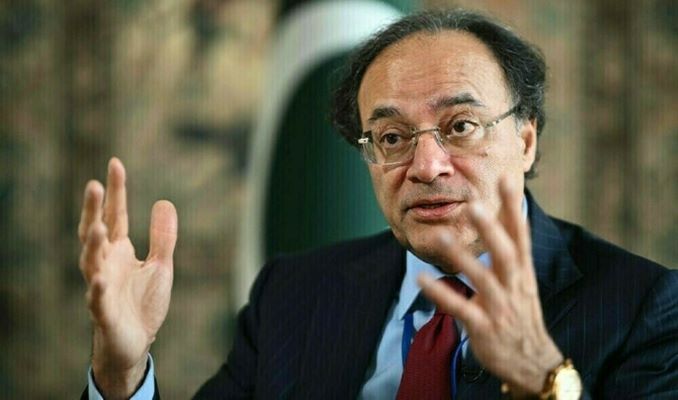
The US-Iran conflict could create risks for Pakistan’s economic growth and inflation outlook, Finance Minister Muhammad Aurangzeb said on Monday. He said regional tensions could affect the country’s economic plans.
Aurangzeb said Pakistan was moving from economic stabilisation toward growth and expected GDP growth of more than 4% during the current fiscal year. However, he acknowledged that the ongoing conflict could influence both inflation and economic expansion.
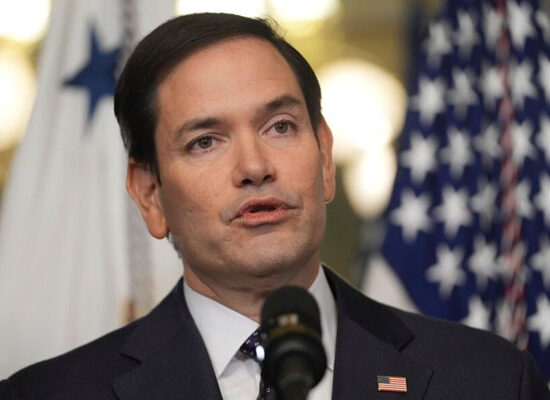
Speaking at an event organised by Pakistan Exim Bank in Islamabad, the finance minister said the government hoped the conflict would reach a lasting solution soon. He stressed that regional developments remained an important factor for Pakistan’s economic outlook.
The US-Iran conflict has intensified geopolitical pressure across the region. US forces reportedly struck two Iranian launchers on Larak Island on Sunday, marking the first known American strikes against Iran since late July, according to a US official.
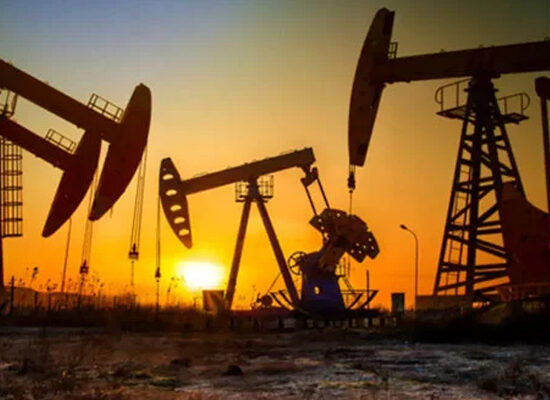
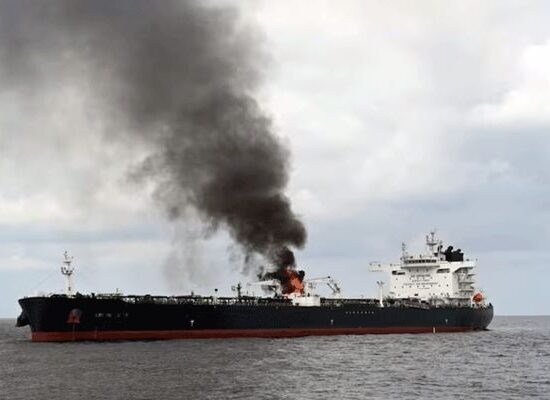
The conflict has also affected shipping through the Strait of Hormuz, a major global energy route. Before the conflict, the waterway carried about one-fifth of the world’s oil supply, raising concerns about energy prices and inflation.
Aurangzeb said Pakistan’s immediate economic challenge was no longer achieving growth but making that growth sustainable. He said the government wants future expansion to remain export-led and driven by the private sector.
The finance minister also highlighted recent budget measures aimed at supporting exporters. He said Pakistan needs to diversify its exports across products, services and markets, while government-backed financing would support businesses. The US-Iran conflict, however, remains a potential external risk to Pakistan’s growth and inflation outlook.